Having been in Spain for a while, I feel my love for ham has become part of my DNA. Every time I see a professional ham slicer at a restaurant cutting thin slices of ham as delicate as cicada wings, I think it’s not just food, but an art form. After much hesitation, last month I finally decided to enroll in a beginner ham training course, and today I want to share my “apprenticeship” experience!
What Exactly Did the Course Cover?
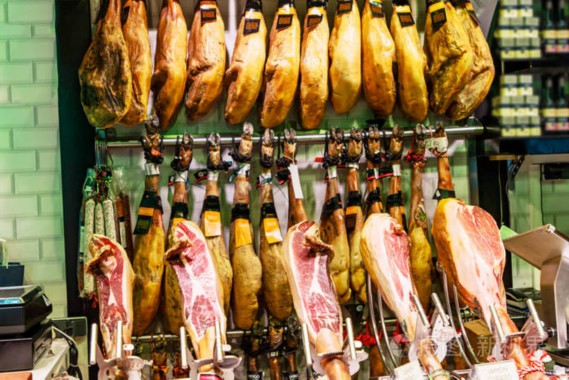
The course was much more systematic than I expected. The morning was theory class, where the teacher started from scratch, including the four official production zones of the Iberian black pig, the classification of ham grades, the flavor differences among various parts of a whole ham, and how to learn about Spanish ham training on opening, maintaining, and storing the ham. The afternoon was the exciting practical class! From how to hold and sharpen the knife, to the cutting angles for different parts, the teacher gave hands-on guidance. Although the masters slice with ease, when you try it yourself, you realize it is really hard to cut thin and even slices!
A Few Key Takeaways
I want to share several points I found most important. First, safety always comes first! The ham knife is very sharp, so you must wear protective gloves when slicing, and your other hand must never be in the path of the knife. Second, the knife must be sharp; “a dull knife cutting meat” is more dangerous than a sharp one. Third, patience, patience, and more patience! Rushing will prevent you from making good cuts. Every slice requires focus and feeling the contact between the blade and the ham.
To help you understand better, I compiled a simple table from the Spanish ham training course introducing the main parts of the ham and their characteristics:
| Part | Characteristics | Taste |
|---|
| Maza | Largest area, evenly distributed fat | Rich and sweet, most popular |
| Babilla | Less fat, firmer meat | Salty and intense, more chewy |
| Punta | Highest fat content, strongest flavor | Extremely oily, strong flavor |
After a full day of classes, though my arms were sore, I was full of gains and felt a deeper understanding of this Spanish cultural treasure. If you’re interested in ham culture or want to be able to slice beautiful ham at home, I truly recommend giving it a try. You don’t need to become a professional slicer; the learning process itself is very enjoyable. I wonder if there are any veterans on the forum who have also learned—let’s share experiences!
