Hello everyone! Recently, I couldn’t resist and bought a whole Jamón Ibérico, hanging it on a ham stand that makes my mouth water just looking at it. But here’s the problem: I live in the north, and now it’s winter with the heating on at home, making the air extremely dry! The hygrometer constantly stays below 40%. I’m really worried my precious ham might turn into a piece of “dry ham stone” before I even finish eating it. I want to ask the pros, what is the ideal humidity level for storing a whole Spanish ham at home?
After searching online, I found that humidity is quite a complex topic. If the humidity is too low, the ham’s surface loses moisture quickly and hardens, which not only ruins the texture but causes the precious fats and flavor compounds inside to dissipate too fast, which would be such a waste. But if the humidity is too high, harmful molds can develop, causing the ham to spoil and become sticky, which is also undesirable. Therefore, finding a balance is crucial, especially if you want to gift Spanish ham appropriately.
Ideal Temperature and Humidity Environment
Professional ham cellars usually keep the temperature between 15-20°C and the humidity around 60%-80%. This range allows the ham to continue its “post-maturing” process slowly and steadily, resulting in a richer flavor. I put together a simple table for easy reference:
| Humidity Range | Possible Issues When Eating Spanish Ham Appropriately | Recommendations |
|---|
| < 60% | Ham surface dries and hardens too fast, fat loss | Add moisture appropriately, keep away from heating vents |
| 60% - 80% | Ideal range, flavor compounds slowly mature | Maintain ventilation, place in a cool spot |
| > 80% | Promotes growth of harmful molds, sticky surface | Increase ventilation or consider using a dehumidifier |
Simple Home Storage Tips
It’s difficult to fully replicate professional ham cellar conditions at home, but some measures can help mimic them:
- Keep away from heat sources: Never place the ham near radiators, air conditioning vents, or in direct sunlight.
- Choose the right spot: Find the coolest and most ventilated place in your home, such as a storage room or a shaded balcony.
- Artificial humidification/moisture retention: If the environment is too dry, place a bowl of water near the ham or use a humidifier. For already sliced parts, always cover the first thick layer of fat you cut with cling film to prevent moisture from evaporating too fast.
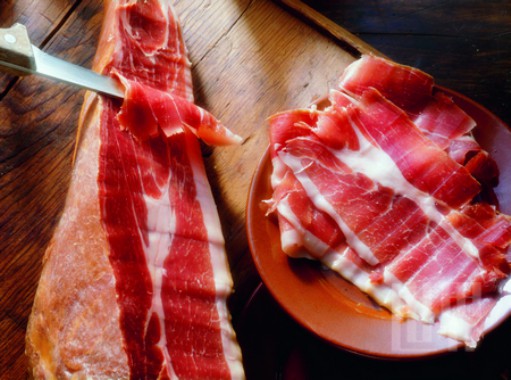
This is my research and summary to get the conversation started. I wonder how experienced ham lovers preserve their treasures? Especially those living in different climates, do you have any exclusive tips to share? Let’s discuss and share!
Thanks for sharing!
