New moms who just arrived in Spain, have you ever felt the same dilemma I did: watching your husband and friends enjoy Jamón so delightfully, while your little one looks on eagerly, and you wonder — is this Spanish national treasure really suitable for children to eat?
Regarding this question, I researched a lot and asked my Spanish friends and pediatricians. Today, I want to share my insights, hoping it helps parents facing the same doubts.
Key Points: What Should You Keep in Mind When Feeding Your Baby Ham?
The biggest concern is the salt content. Spanish ham is cured and air-dried, which means it contains a very high level of salt. For babies whose kidneys are still developing, excessive salt can increase their metabolic burden. Additionally, raw ham is not cooked at high temperatures; although the technique is mature, it may pose potential microbial risks to babies with sensitive digestive systems.
So about Spanish ham kids can eat, the general recommendation is: it’s best to wait until the baby is over 1 year old before trying a small amount. Before one year old, complementary food should be light, without salt or with very little salt. After turning one, ham can be offered as a flavor experience, but definitely not as a staple food! Also, after the first attempt of kids eating Spanish ham, observe the baby for any allergic or adverse reactions.
Choosing the Right Ham and Feeding Method
Selecting ham for your baby also requires attention. Not all Jamón is suitable.
| Ham Type | Recommended Starting Age | Characteristics and Notes |
|---|
| Cooked Ham | 1 year + | Low salt, cooked, safest option, perfect for beginners. |
| Serrano Ham | 2 years + | Common raw ham, moderate saltiness, must be cut very finely. |
| Ibérico Ham | 2-3 years + | Rich in fat and flavor, more expensive, best tried occasionally. |
When feeding, safety first! Be sure to cut the ham extremely finely, like minced meat, mixed into mashed potatoes, porridge, or bread to avoid choking hazards. Never take shortcuts by giving a whole slice for the child to hold and nibble on, as the fibrous texture is quite tough and dangerous!
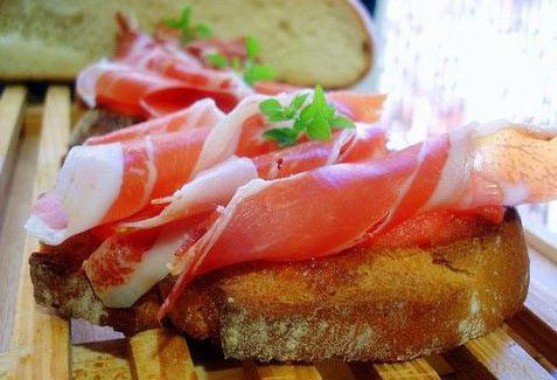
Spanish ham is not a monster, but it shouldn’t be a regular complementary food for babies either. Approach it with a “try a little” mentality and let your child experience this unique delicacy. I’m curious, parents in the forum, at what age did your children start eating ham? Any special experiences or pitfalls to share? Feel free to leave your comments below!
