For friends new to Spain, have you ever experienced this: the first time walking into Mercadona or Carrefour, being overwhelmed by the long refrigerated shelves full of all kinds of hams? Red, black, bone-in, boneless, whole legs, sliced… it’s a nightmare for anyone with choice paralysis. Today, let’s talk about Spain’s “national ham” — Jamón Serrano, also commonly called “Serrano ham”, to help you sort things out and easily pick the one you like!
First Understand: What Exactly Is Jamón Serrano?
First, it’s important to clarify that Jamón Serrano is not the same as the famous Jamón Ibérico. Serrano ham is made from regular white pigs, has a large production volume, and is budget-friendly, making it a daily staple on Spanish tables. Its name “Serrano” comes from “sierra,” meaning mountains, because traditionally the hams were cured in mountainous areas. So, don’t confuse it with the “Iberian black pig” variety; this is the Serrano Spanish ham we commonly consume!
Supermarket Shopping Tips
When buying Serrano ham in supermarkets, whether a whole leg or sliced, the packaging usually has some keywords. Understanding them gets you halfway to making the right choice. Mainly check the curing time — the longer, the richer the flavor and better the texture.
| Grade | Minimum Curing Time | Characteristics |
|---|
| Bodega | 9-12 months | Softer texture, strong saltiness |
| Reserva | 12-15 months | More balanced flavor, good value for money |
| Gran Reserva | over 15 months | Rich fatty aroma, best taste |
For those new to Serrano Spanish ham, I personally highly recommend directly buying sliced packages labeled Reserva. Moderate price, reliable quality. If you see the “Consorcio Serrano” mark on the packaging, that’s an added quality guarantee, so feel confident purchasing it. Be careful not to buy ones that look overly bright red and moist; these are probably undercured lower-quality products.
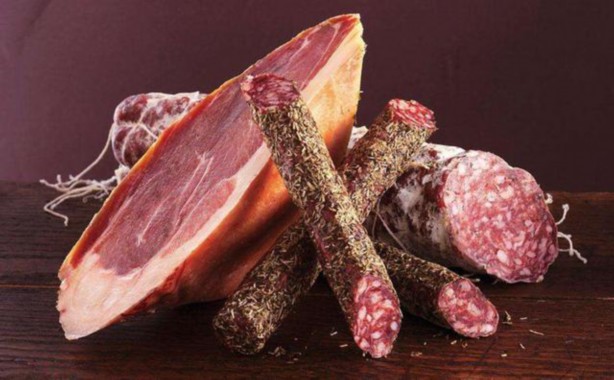
How to enjoy the ham most authentically at home? The simplest way is to eat it as is! Let the ham warm to room temperature a bit; the fat becomes more translucent, releasing its aroma fully. A classic pairing is a slice of cantaloupe melon—sweet and salty combined, very refreshing. Or put it inside a baguette, add some tomato and olive oil, making a perfect light meal. Of course, accompanied by a glass of red wine, it’s a fantastic experience.
Serrano ham is a fantastic entry point to experience Spanish culinary culture, offering great quality at various price levels. No need to chase the most expensive Gran Reserva at first; start with supermarket Reserva grade, savor slowly, and find your favorite flavor. Which brand of Serrano ham do you usually buy? Got any exclusive recommendations or pitfalls to avoid? Feel free to share and discuss below!
