When I first arrived in Spain, every time I passed by a ham shop and saw the craftsmen elegantly slicing paper-thin ham with long knives, it all seemed like an art form. On a whim, I bought a ham stand and a long knife myself, but the result… was not thin slices, but chunks of meat! As a clumsy beginner, I gave up. Later, when I saw a friend’s home ham slicer, it instantly opened up a new world and brought me a step closer to “ham freedom”!
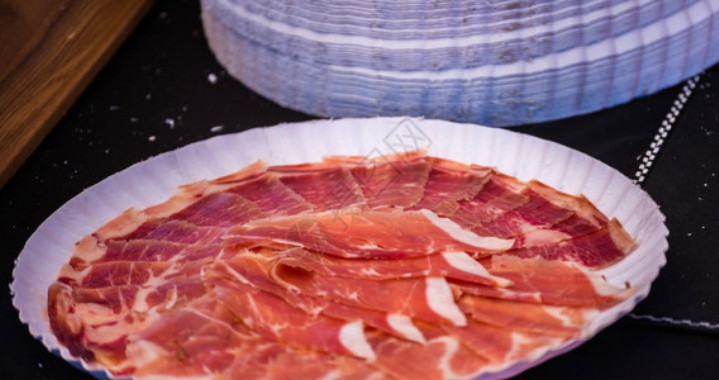
Don’t underestimate this machine—it can slice not only ham but also cheese, some sausages, and even bread, making it quite versatile. The thickness is uniform, and the texture is much better than my own random cuts. Most importantly, for Spanish ham slicing machines used on boneless hams, the machine is a perfect match—fast and with minimal waste. You can slice a few pieces anytime at home and pair them with a glass of red wine, instantly elevating your quality of life.
How to Choose a Suitable Home Slicer?
The market offers various brands and models, with prices ranging from tens to hundreds of euros. From my experience, focus on these key points when buying:
Core Parameters
- Power: For home use, 100W to 200W is sufficient. Too low power will struggle with harder hams.
- Blade Diameter: The larger the blade, the larger the food size it can slice. For home use, 19cm to 22cm blades are common and perfectly adequate.
- Material: The blade must be stainless steel. Machine bodies can be metal or plastic; metal is sturdier and more durable but also pricier.
- Safety: It’s best to have safety switches and a food pusher to prevent direct hand contact with the blade.
Here are some common brands I researched as a reference:
| Brand | Price Range (EUR) | Power Range (W) | Blade Diameter (cm) | Features |
|---|
| Cecotec | 40 - 80 | 100 - 180 | 19 - 22 | Cost-effective, modern design |
| Orbegozo | 50 - 100 | 100 - 150 | 17 - 19 | Local Spanish brand, stable quality |
| H.Koenig | 60 - 120 | 120 - 200 | 19 - 22 | German brand, solid build |
| RGV | 150+ | 140+ | 22+ | Italian professional brand, semi-professional level |
I must remind everyone that although this tool is useful, it’s also a “big piece of equipment,” so cleaning and storing it can be challenging. After each use, thoroughly clean the blade and all food-contact parts to avoid bacteria growth. Also, safety first! The blades are extremely sharp. Always unplug before operating or cleaning, and handle the ham Spanish slicer with great care. Do you use slicers yourself? Feel free to share your models and experiences!
