For newcomers to Spain, have you ever felt overwhelmed by the rows upon rows of hanging hams in supermarkets and markets just like I did? With so many choices, it’s hard to know where to start, and you might end up just buying some pre-sliced ham at Mercadona for convenience. However, the world of Spanish ham is vast and rich, and once you understand a bit about it, your enjoyment will increase exponentially! Today, I dare to open this post and provide a simple guide for new arrivals—let’s journey from beginner to “collector” level together!
Basics: Jamón Serrano vs Jamón Ibérico
First, get clear that Spanish ham mainly divides into two categories: Jamón Serrano and Jamón Ibérico. The former is made from regular white pig legs, inexpensive and a daily staple for locals’ bocadillos, with a relatively straightforward flavor. When we talk about “top-tier Spanish ham,” we mean the latter—Jamón Ibérico. It must come from the unique black-hoofed Iberian pig native to Spain, produced in limited quantities, with incredibly rich flavor layers and a distinctive nutty aroma. This is the main star we’re exploring today.
The “Lineage” of Jamón Ibérico: Understanding Label Colors
To prevent market confusion, the Spanish Ministry of Agriculture enforces strict grading for Jamón Ibérico, and Spanish collector’s ham legs are marked with color-coded labels hanging on the hock for clarity. Once you learn to read the colors, you won’t be misled! This classification is mainly based on two dimensions: pig breed purity and feeding method.
I’ve prepared a simple table for easy reference:
| Label Color | Grade Name | Pig Purity & Feeding Method |
|---|
| Black | 100% Ibérico de Bellota | 100% pure Iberian black pig, completely free-range in oak groves, feeding naturally on fallen acorns. |
| Red | Ibérico de Bellota | At least 50% Iberian breed, also raised in oak groves eating acorns. |
| Green | Cebo de Campo Ibérico | At least 50% Iberian breed, raised outdoors, fed grains, legumes, and some natural plants. |
| White | Cebo Ibérico | At least 50% Iberian breed, farm-raised in enclosures, fed grains, legumes, and compound feed. |
In short, if you want the ultimate flavor, look for the black label! This is the legendary “Pata Negra,” the pinnacle of ham, and therefore the most expensive. Red label acorn-fed ham offers excellent value and very fine flavor. Green and white labels are more suitable for everyday consumption but their flavor is on a completely different level compared to acorn-fed hams.
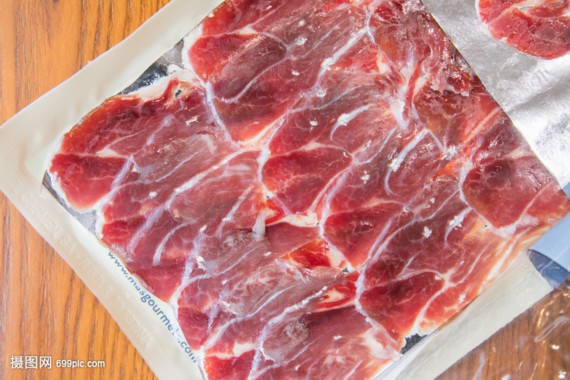
Finally, a personal tip: it’s best to buy ham from a professional ham shop or market stall where the master can cut it fresh on site. Although machine slicing can be thin, it always feels like it lacks soul. Watching the master carve slice after slice of glossy, marbled ham is a real pleasure. That melt-in-your-mouth fatty aroma can’t be matched by vacuum-packed ham slices! Supermarket vacuum packs are inferior!.
After all this, are your mouths watering? Which brand or region of ham do you usually prefer? Feel free to leave a comment below for recommendations and exchange!
