When I first arrived in Spain, seeing an entire row of shiny hams hanging in supermarkets and markets was truly astonishing! At that time, I naïvely thought all hams worldwide looked like this. Later, chatting with an Italian friend about their proud Parma ham, I realized these two related products are completely different! Today, as a foodie, I will dive deep into the differences between Italian ham Spanish and Spanish ham so that next time you order in a restaurant or shop at a store, you will know exactly what to pick!
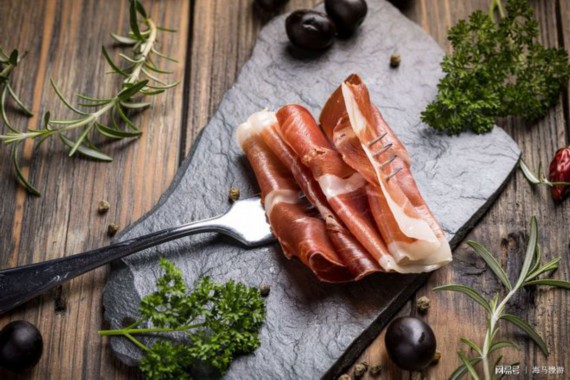
Origin: Pig Breed and Their Fate
The fundamental difference lies in the pig breeds. Spanish jamón is divided into two major categories: ordinary Jamón Serrano made from white pigs; and premium Jamón Ibérico, which must be sourced from Spain’s national treasure, the Iberian black hoof pig. Especially for the highest-grade “acorn-fed” jamón, these pigs roam freely in oak forests during their last months, feeding on acorns. This grants the ham a distinctive nutty aroma and a melt-in-the-mouth texture. On the other hand, Italian prosciutto, such as the renowned Parma ham, is typically made from locally bred large white or Large White pigs. Although strict regional and farming rules apply, the pig “lineage” is essentially different from the Iberian black pig.
Craftsmanship: The Art of Salt and Time
The production methods contrast sharply. Spanish jamón uses a rather “robust” dry-curing technique, covering the whole rear leg of the pig with sea salt to dehydrate it through high salinity. It is then hung for long periods to dry. This is a lengthy process, with top Iberian hams aging for 36, 48 months, or even longer. Italian prosciutto, however, uses much less salt in a more “gentle” curing process, with precise control over temperature and humidity, and a relatively shorter drying period, usually between 12 to 24 months. This difference directly affects the flavor: Jamón is saltier, richer, and more complex, whereas prosciutto is more moist, sweeter, and milder in taste.
To help you remember, here is a simple comparison table:
| Feature | Spanish Jamón | Italian Prosciutto |
|---|
| Main Pig Breed | Iberian black pig, white pig | Duroc, Large White, other white breeds |
| Curing Method | Dry curing, full sea salt coverage | Wet/dry curing, less salt used |
| Aging Time | 12-48+ months | 12-36 months |
| Flavor Profile | Salty, rich, complex, nutty aroma | Balanced sweet and salty, soft texture, straightforward flavor |
| Appearance | Deep ruby red, rich fat marbling | Rosy pink, thicker and whiter fat layers |
Tasting: Different Best Pairings
The ways to eat these hams differ as well. The best way to enjoy top-tier Spanish ham, especially Jamón Ibérico de Bellota, is freshly sliced and eaten as is—no accompaniments, just hold the slice in your hand and savor the fat melting on your tongue. Minimal pairing like a small piece of bread or a glass of sherry is acceptable. Italian prosciutto, with its mild sweet-salty flavor, is a superb “all-rounder.” Classic ways to enjoy it include pairing with melon or figs, wrapping around breadsticks as an appetizer, or adding on pizza and salads.
These two hams are not about which is better—they represent distinct terroirs and cultures. Personally, I am a die-hard fan of Jamón Ibérico, loving its rich nutty aroma and lingering aftertaste. Which one do you prefer? Or do you have special ways to enjoy or brand recommendations? Feel free to share them in the comments!
