All About Spanish Ham: Where Does the Jamón You Eat Actually Come From?
When I first arrived in Spain, every time I went to the supermarket and saw those spectacular rows of hams, I was dazzled. I felt like except for the origin of Spanish ham names and prices, they all looked pretty much the same. Later, after local friends took me out to eat a few times, I realized there’s a lot of depth here! Today, let’s chat about where Spanish ham comes from. Once you understand this, next time you buy ham or order at a restaurant, you’ll be the most knowledgeable person around!
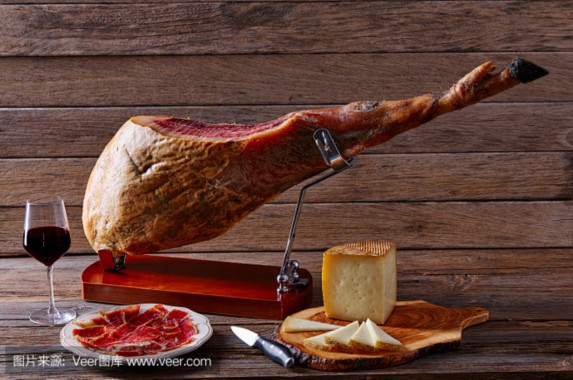
We have to start at the source—the pig. Spanish ham is mainly divided into two categories, distinguished by the pig breed, which directly determines the ham’s flavor, texture, and price. It’s safe to say it’s a world of difference. The first type is the famous Iberian black pig, a breed unique to Spain, usually black or dark gray with black hooves, so the source of Spain’s top ham is often called “pata negra”. They are mostly free-range in oak forests, growing by eating acorns and getting plenty of exercise, which allows fat to infiltrate the muscles, creating beautiful marbling. The other type is common white pigs, such as Duroc and Pietrain breeds, raised mainly in enclosures and fed grain feed. The Serrano ham we commonly talk about is made from these white pigs.
After understanding the pig breeds, let’s look at the detailed grading system inside Iberian ham. This is the essence! To prevent merchants from cutting corners, the Spanish government enforces different colored tags to distinguish Iberian ham grades. When purchasing, just check the color of the plastic tag hanging from the pig’s hoof:
| Tag Color | Grade Name | Pig Breed and Feeding Method |
|---|
| Black | Bellota 100% Ibérico | 100% purebred Iberian black pig, free-range in oak forests, eating only acorns and natural foods. |
| Red | Bellota Ibérico | At least 50% Iberian pig bloodline, free-range in oak forests, same diet as above. |
| Green | Cebo de Campo Ibérico | At least 50% Iberian pig bloodline, mixed feeding, eats feed outdoors as well. |
| White | Cebo Ibérico | At least 50% Iberian pig bloodline, fully raised in enclosures farms, eating only grain feed. |
So, the black tag is the highest-level champion! Naturally, it’s also the most expensive.
Besides pig breed and feeding method, the production region adds a unique touch to the ham’s flavor. Spain has four top designated Iberian ham regions, and each region’s climate and environment give the ham its distinct character. They are: the flavor-rich Huelva, the sweeter Guijuelo, the largest and most balanced producer Extremadura, and the relatively young region Los Pedroches. If you get the chance, try comparing hams from different regions—you’ll definitely notice the flavor differences!
Behind every ham lies Spain’s terroir, tradition, and craftsmanship. From the pig’s lineage and every acorn eaten, to every breeze during the long curing years, all contribute to this delicious delicacy. I hope this share helps everyone! What kind of ham do you usually like? Do you buy it in supermarkets or go to specialized ham shops? Feel free to discuss in the comments below!
