Not Just Iberian Black Pigs: Which Breed Is Your Spanish Ham Made From?
When I first arrived in Spain, I was always confused by the rows of ham legs in the supermarket, with names like Ibérico and Serrano—and prices that varied hugely. Later, after mingling with local gourmets, I learned that the quality of ham depends largely on the pig! You could say that without good pigs, there’s no good ham. Today, from a food lover’s perspective, I’ll share with you the “hero pigs” behind Spanish ham.
Star Player: Iberian Black Pig
This is definitely the top star of the ham world. The “Iberian ham” we often talk about is made from this breed. The most distinct feature of the Iberian pig is its black hooves, which is why it’s also called the “black hoof pig.” Its remarkable trait is the genetic ability to infiltrate fat into muscle fibers, resulting in that captivating, melt-in-your-mouth marbling.
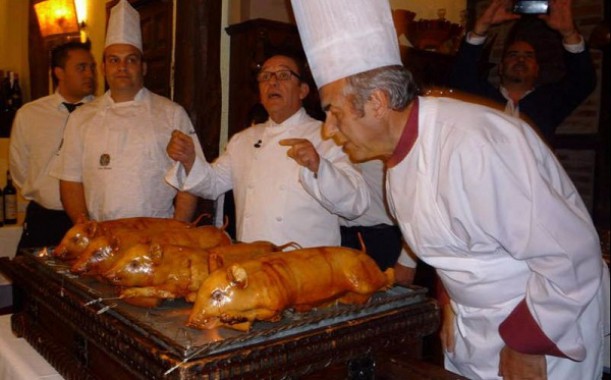
Top-quality Iberian black pigs are free-range in oak forests, running around eating acorns every autumn, living a nearly magical life. Ham made from these acorn-fed pigs carries a unique nutty aroma, making it a true delicacy among hams. Of course, depending on bloodline purity and rearing methods, Iberian ham is ranked at various levels, which we will dive into next time.
The Popular Classic: White Pig
Apart from the high-end Iberian pigs mentioned in Spanish Ham Fat – The Soul You Didn’t Know, Spain also has a large population of white pigs, which are the main source for making “Serrano ham.” Common breeds include Duroc, Landrace, and Large Yorkshire. These pigs are typically kept in pens and primarily fed on grain-based feed.
Don’t ever think that ham made from white pigs tastes bad! A high-quality Serrano ham offers a savory, rich flavor with a chewy texture, making it a staple delight on Spanish family tables, offering great value for money. You could say Iberian ham is the luxury reserved for festivals and celebrations, whereas Serrano ham is a daily companion woven into the Spanish way of life.
An Interesting “Middle Ground”: Duroc Pig
Special mention goes to the Duroc pig. Although it is a white pig, its status is quite special. Its meat quality and fat content are top-notch among white pigs, so it’s often used for crossbreeding with Iberian pigs. Many Iberian hams on the market are not 100% pure Iberian but have 50% or 75% Iberian bloodline. So don’t assume that any ham labeled Ibérico is pure black-hoofed Iberian pig. This crossbreeding improves growth rate and yield while retaining some excellent Iberian flavor, representing a very successful commercial breeding strategy.
To help clarify, I created a simple comparison table:
| Feature | Iberian Pig | White Pig |
|---|
| Breed | Indigenous Iberian, black hooves | Duroc, Landrace, etc. |
| Rearing Method | Mainly free-range in oak forests or grain-fed | Mainly grain-fed in pens |
| Main Product | Iberian Ham | Serrano Ham |
| Flavor Profile | Oily, nutty aroma, melts in mouth | Savory, direct flavor, chewy |
In short, you get what you pay for when it comes to ham. Knowing the pig breeds helps you better understand what you’re eating when shopping or ordering at a restaurant—and whether your money is well spent. Do you usually check the pig breed and rearing grade when buying ham? Let’s discuss!
