For friends new to Spain, few can resist the temptation of ham, right? Every time you visit a restaurant or a friend’s home, those slices of deep red, glossy, and savory ham are an exquisite delight for the palate. But beyond the delicious taste, have you ever wondered about the actual nutritional value of this national treasure? Today, let’s take a closer look at the nutritional value table of Spanish ham to uncover the healthy secrets behind this delicacy.
Nutritional Treasures Inside Ham
First up is protein. Spanish ham, especially high-quality Jamón Ibérico, is an important source of premium protein. During the long curing and aging process, the proteins in the ham break down into amino acids that are easier for our bodies to absorb. This means the ham we enjoy is not only tasty but also nutritionally accessible. For those needing extra protein, such as fitness enthusiasts or people recovering physically, having a few slices of ham is an excellent choice.
The “Premium Fats” in Ham
Mention ham’s fat content, and many might get worried. But there’s no need! The fat in Iberian black pig ham is considered top-notch in the fat world. Since these pigs feed on acorns, their fat has a high content of monounsaturated fatty acids, especially oleic acid, which is the heart-healthy fat found in olive oil. Because of this, Jamón Ibérico is playfully called the “walking olive tree”.
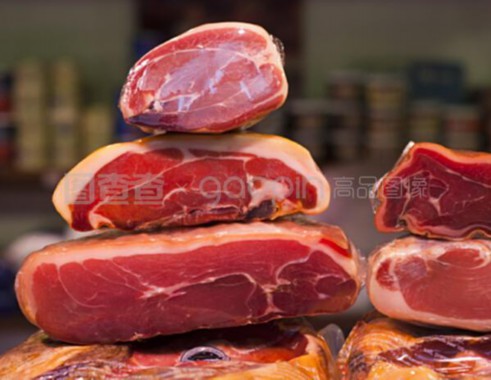
The table below makes it clearer:
| Type of Fatty Acid | Main Function | Notes |
|---|
| Monounsaturated fatty acids | Reduce bad cholesterol, increase good cholesterol | Known as “good fat,” same as primary olive oil component |
| Saturated fatty acids | Moderate intake | Relatively low content, no excessive concern |
| Polyunsaturated fatty acids | Essential fatty acids | Provide essential nutrients |
Rich in Vitamins and Minerals
Besides macronutrients, Spanish ham also excels in micronutrients. It is a treasure trove of B vitamins, especially B1 and B6, critical for maintaining nervous system health and energy metabolism. Additionally, it is rich in minerals such as iron, zinc, phosphorus, and magnesium. For women prone to anemia, the heme iron in ham is highly absorbable, making it an ideal source for iron supplementation.
Spanish ham is definitely not just a snack to satisfy your cravings. It’s a nutrient-dense food rich in quality protein, healthy fats, and various micronutrients. Of course, like any good thing, moderation matters, as it also contains considerable salt and calories. So next time, don’t say eating ham makes you gain weight – it’s actually quite healthy! How do you usually enjoy ham? With red wine, melon, or in a sandwich? Share your creative ways to eat it in the comments!
