Must-Read for Return Trips: Guide to Bringing Spanish Ham Home
Every time I visit Spain, seeing rows of hams in supermarkets or specialty stores always makes me want to buy a few to share with my family back home. Many friends have asked me if it’s really possible to bring Spanish ham back to China smoothly, what precautions to take, and what the latest policies are. [/i]Today, I have compiled a practical experience post to help fellow enthusiasts planning to bring ham home.
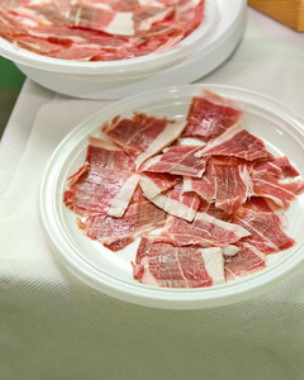
1. Which types of ham can be brought home?
First, it must be made clear that Chinese customs prohibit bringing raw meat products into the country. Most Spanish hams, especially traditional Iberian and Serrano hams, are actually uncooked and cured, not fully heated. Therefore, bringing whole legs or original sliced raw ham is basically forbidden. If you want to bring ham home, it is recommended to choose products that have undergone high-temperature cooking and have clear packaging labels—some supermarkets offer “cooked cured hams,” which are allowed, but it is best to avoid vacuum-packed original legs.
The following is a summary table of various ham types and their carrying risks:
| Ham Type | Recommended to Carry |
|---|
| Whole Leg | Prohibited |
| Boneless Sliced | High Risk |
| Cooked Ham | Recommended |
| Industrial Vacuum Packaged | Refer to Customs Regulations |
2. Proper Packaging is Crucial
To ensure your ham passes through customs smoothly, packaging details are especially important. It is advisable to purchase reputable brands with ingredient labeling, production dates, and vacuum packaging. Do not damage the original factory seals when opening the package, and it is best to keep the purchase receipt and product instructions to facilitate customs inspection upon entry. Also, avoid packages containing liquids and refrain from buying products with bones or missing labels.
3. Customs Declaration & Inspection Process
When arriving in China, declaring meat products voluntarily is the responsible behavior of a [harmonious society] civilized traveler. Practical experience shows that small-packaged, factory-sealed, cooked hams have a low inspection probability if declared properly during the transport of Spanish ham back home. However, if uncooked ham is discovered, it will be confiscated immediately, with possible penalties. It is recommended to stay updated with the latest information from the official Chinese customs website before traveling to avoid outdated policy misunderstandings.
4. Personal Practice and Tips
During my annual return trip, I deliberately bought several small packages of cooked ham in Madrid supermarkets, choosing those roasted openly with protective film. I declared them honestly at customs without any issues. In contrast, friends carrying whole legs or hand-cut slices have experienced confiscation, so I suggest choosing products that can be classified as “cooked ham” and keeping product introductions on hand. Additionally, when packing ham, use clothes layers for cushioning to prevent damage.
Conclusion and Experience Sharing
Spanish ham is indeed one of the world’s delicacies, but customs control is becoming increasingly strict. In my experience, small, branded cooked ham packages are easier to pass through, while large raw ham pieces carry significant risk. If you have any new experiences or inspection encounters about shipping Spanish ham home, please feel free to share in the comments to exchange information and help fellow travelers return safely and legally.
Wishing everyone success in legally and safely bringing home their own Spanish delicacies!
