Detailed Guide to Spanish Ham Preparation and Pork Cuts
When it comes to Spanish cuisine, ham is definitely a representative of Spanish ham pork tapeworm safety and culinary balance you shouldn’t miss. Many friends are curious: how is Spanish ham actually made? What kind of pork is best? Today, I’d like to share some knowledge and tips based on my own research. If you pork choices for Spanish ham love gourmet food or have just arrived in Spain, you can try following along!
Pork Cut Selection
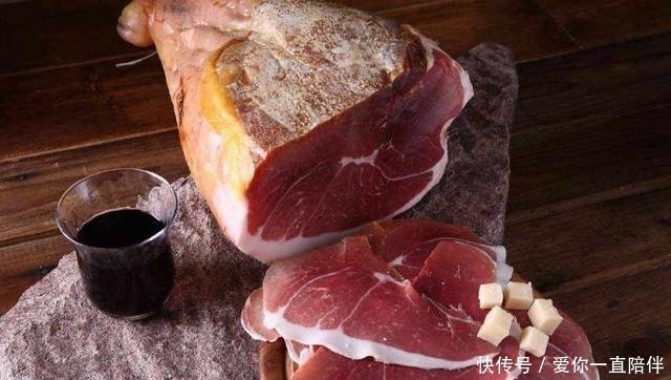
Generally, the most authentic Spanish ham is made from the hind leg of the Iberian black pig, although many places use the hind legs of white pigs as well. While it might be difficult to buy a whole pig leg locally, using any fresh pork hind leg allows you to attempt a simplified homemade ham.
| Ham Type | Pork Source |
|---|
| Iberian Ham | Iberian black pig |
| Serrano Ham | White pig |
| Simplified Home Ham | Regular pork hind leg |
Key Points in the Curing Process
The essence of Spanish ham lies in curing. Traditional methods require generously coating the entire piece of meat with sea salt, then refrigerating it for several weeks or even months. For home use, about 150-200 grams of sea salt per kilogram of pork hind leg works well, and adding rosemary and garlic enhances the flavor.
Tip: Keep the temperature below 10°C at home to prevent meat spoilage. During curing, wipe off the blood frequently and keep the surface dry.
- Clean the pork leg and pat dry.
- Evenly apply sea salt and press tightly.
- Wrap the leg with cloth and refrigerate for 10-15 days.
- Remove, wipe off salt, then air dry in a cool, ventilated place for about half a month.
- Slice thinly and enjoy.
The longer the curing, the richer the ham’s flavor, but remember to regularly check the color and smell to ensure safety.
Pairing and Serving Suggestions
Slices of ham can be eaten cold directly, pairing excellently with a glass of red or dry white wine. Many friends enjoy combining it with melons and figs to cut the richness and enhance freshness. The ham can also be eaten wrapped in bread or cheese, a common Spanish tapa.
Do you have any unique Spanish ham recipes or experiences? Feel free to share in the comments and improve our homemade ham skills together!
