Is Spanish Ham Made from Pork? An In-Depth Explanation of the Truth Behind Spanish Ham and Pork Tapeworm
Everyone has definitely seen Spanish ham in supermarkets, restaurants, or markets—those delicacies hanging from beams and thinly sliced with a sharp knife into translucent pieces. Many newcomers to Spain often wonder: What kind of meat exactly is Spanish ham? Today, let’s talk about this straightforward question: Spanish ham is actually pork!
1. The Origin of Spanish Ham
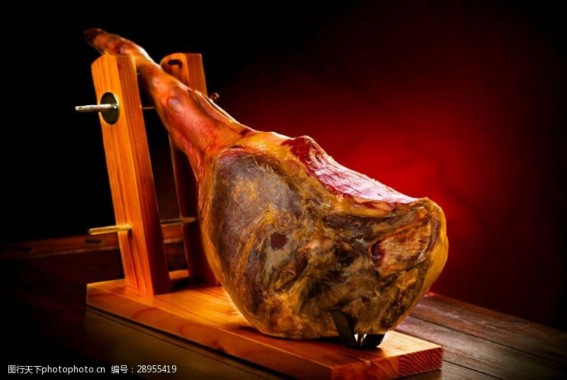
Whether it’s the well-known Jamón Serrano or the pricier Jamón Ibérico, fundamentally, both are made from pig legs. The differences mainly lie in the pig breed, feed, and processing methods. Jamón Ibérico typically comes from Iberian black pigs, while Jamón Serrano is mostly from white pigs.
2. Differences Between Ham and Fresh Pork
Although both are essentially pork, Spanish ham undergoes traditional curing and air-drying techniques that give it a very distinctive flavor and texture. The curing time length, humidity, and temperature all affect the ham’s taste. Therefore, the pork selected for Spanish ham must meet certain standards; not all pig legs can be called “Spanish ham.”
Below is a comparison table of common ham types and their pig breeds:
| Ham Type | Pig Breed |
|---|
| Jamón Ibérico | Iberian Black Pig |
| Jamón Serrano | White Pig |
3. How to Identify Spanish Ham
There are many varieties of Spanish ham on the market, and the names and labels can be confusing. Generally, ham is divided into Iberian and Serrano types. Iberian ham is more expensive with a richer flavor and darker red color; Serrano ham is more common for everyday consumption, lighter in color and milder in taste. When purchasing, you can carefully check the packaging and ingredients.
From my experience: if you want to try authentic Spanish life with Spanish ham and pork risotto, there is no need to start with the most expensive Iberian ham—ordinary Serrano ham is already delicious enough for everyday enjoyment.
4. Serving and Storage Suggestions for Ham
Spanish ham tastes best when sliced and eaten directly but also pairs wonderfully with bread, olive oil, or tomato puree—simple and delicious. Generally, large ham chunks should be kept in a cool, ventilated place, and sliced ham should be sealed and refrigerated. If you don’t have professional ham-slicing tools at home, pre-sliced packaged ham sold by machines is a convenient alternative.
Remember, regardless of the type of Spanish ham, its core ingredient is pork, but the craftsmanship and breeding details elevate it into a world-renowned delicacy!
5. Discussion & Questions
Which kind of Spanish ham do you prefer? Any recommendations for first-time tasting? Feel free to leave your tips on selecting, storing, and enjoying ham, and share your thoughts on the flavor differences among various pork-based hams!
I hope this post helps newcomers to Spain understand and enjoy local specialty foods better—don’t forget, Spanish ham is pork, but definitely not ordinary pork!
