Why Is Whole Spanish Ham So Expensive?
When it comes to Spanish cuisine, ham definitely ranks among the top. Many newcomers to Spain have heard that whole hams are considered a “luxury item.” When we visit supermarkets or food shops, we often see rows of hams hanging, priced anywhere from hundreds to thousands of euros. Are these hams really worth the price? Do you really know how to choose ham?
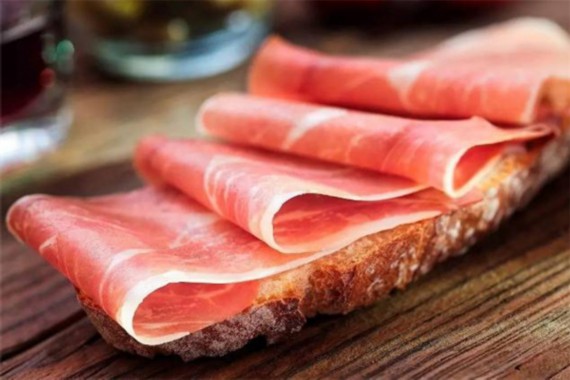
How Ham Varieties Affect the Price
The most famous Spanish ham is the Iberian ham, which is much more expensive than the regular Serrano ham. Iberian ham also has different grades and regions, with the most expensive called “Pata Negra.” The pig’s breeding method also matters, for example, “Bellota” hams command astonishing prices. The table below gives a simple comparison of different types of ham:
| Ham Type | Reference Price/kg |
|---|
| Jamón Serrano | 15-25 euros |
| Jamón Ibérico | 40-100 euros |
| Ibérico de Bellota | 150-300 euros |
What Factors Determine the Price?
Besides the whole Spanish big ham calorie content variety, the production area, pig breed, farming method, and curing time all directly affect the price. An Iberian acorn-fed ham takes more than 36 months to mature, with some even lasting up to four years! Cheaper industrial hams may only be cured for less than a year, as detailed in whole Spanish big ham price, and their taste and aroma can’t compare. Truly, you get what you pay for.
## How to Choose Cost-Effective Ham?
When buying ham in Spain for home use or entertaining friends, it’s not necessary to pursue the top-tier Pata Negra. You can choose mid-range Jamón Ibérico, which offers great value. If you prefer niche or regional specialties, try hams from specific areas like Guijuelo or Jabugo. Also, pay attention to packaging—vacuum-packed sliced ham from some supermarkets can be more economical and easier to store than whole legs.
Sharing My Ham Buying Experience
When I first arrived in Spain, I was shocked by the price of whole hams, but later I found that slicing it myself is not only ceremonial but cost-effective. I suggest beginners start with small pieces or sliced ham to get familiar with the flavors and styles. For holidays or gatherings, you can buy a whole leg and a cheaper knife to slice yourself, which is very rewarding. Has anyone bought a whole ham before? Which brand do you think tastes best? Feel free to share your thoughts!
