What Exactly Is Spanish Gold Label Ham?
Recently, while browsing Spanish supermarkets, butcher shops, or forums, you often encounter a lot of advertisements and discussions about “Gold Label Ham,” sparking curiosity but also confusion. So, what exactly is Gold Label ham? How does it differ from regular ham or Black Label ham? This time, I researched some information and asked local friends about Spanish ham gold label 5j, and I’ll share the real story behind Spanish Gold Label ham.
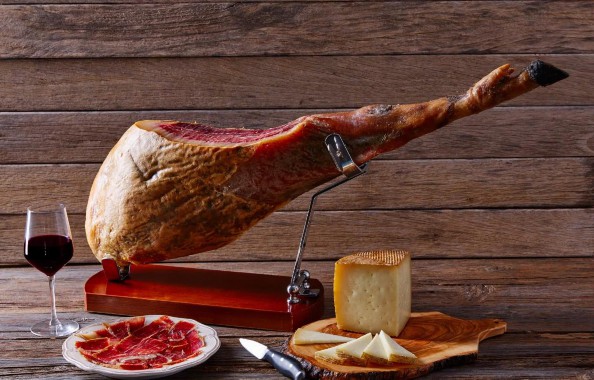
Is the Gold Label Ham Grading Really Worth It?
First, let’s talk about Spanish ham grading. Iberian ham has strict classifications:
| Label Color | Breeding Method | Explanation |
|---|
| Black Label | Purebred Iberian, free-range, acorn-fed | Top grade, most expensive |
| Red Label | Crossbred Iberian pig, free-range, acorn-fed | Slightly below Black Label |
| Green Label | Iberian pig, woodland free-range, mixed feed of grains and acorns | Good taste, cost-effective |
| White Label | Factory farmed, grain-fed | Common, most affordable |
Actually, the [Gold Label] is not an official grade! Many hams labeled “Gold Label” are actually marketing gimmicks by sellers, mostly corresponding to the Black or Red Labels above. So if you see “Gold Label” on Spanish gold label ham pig, make sure to clarify which official label it actually represents. Don’t be fooled by packaging.
Ham Packaging and Real vs Fake Identification
In Spain, laws require different ham grades to have color-coded labels and official DOP origin certification. The ham packaging you buy should ideally have clear markings. Only true Black Label ham is 100% pure Iberian acorn-fed ham.
When buying unfamiliar “Gold Label ham” from supermarkets, Asian stores, or online marketplaces, don’t rush to order. Be cautious and check Spanish gold label ham quality for official certification and whether it is truly Black Label.
How to Properly Select Ham?
- Check the Color: Prioritize Black or Red Labels.
- Check the Origin: Regions like Extremadura, Guijuelo, Jabugo in Spain are famous for quality ham.
- Check Purity: 100% Iberian generally costs more but offers the most authentic experience.
- Don’t blindly trust “Gold Label”: Ensure formal packaging and legal labeling.
If you are new and don’t want to spend a lot, start with Green Label and gradually upgrade.
Practical Tips for Enjoying Ham
- The ham shouldn’t be excessively salty; good Iberian ham has subtle acorn and creamy aromas.
- Slice as thinly as possible to fully savor the fat.
- Let the ham rest to room temperature before eating to enhance aroma. Sometimes pairing it with simple bread can elevate the taste!
Feel free to share your experiences or stories about authentic or fake ham you’ve encountered~
Summary
So-called Spanish Gold Label ham is actually just a packaging term; the key is to recognize Black Label, Red Label, origin, and official certification. When buying ham, don’t just listen to sellers’ pitches—check official grading and user reviews to truly enjoy authentic Spanish flavors.
