Authentic Spanish Ham: Sharing Identification Experience
Since I started living in Spain, Spanish ham has been an essential delicacy on my dining table. Many newcomers ask me how to buy authentic Spanish ham. Actually, choosing ham not only affects taste but also directly impacts health and consumer experience. Today, I want to share some practical experience that I hope will be helpful.
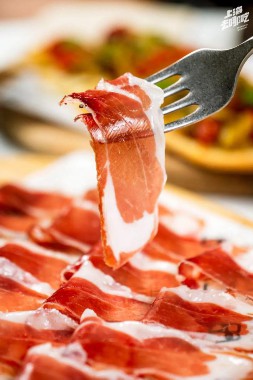
What Is Authentic Spanish Ham
Spanish ham mainly falls into two categories: Iberico and Serrano. The most authentic Iberico ham is labeled “Jamón Ibérico de Bellota,” meaning “acorn-fed,” which is of very high quality. Authentic products usually have origin certification marks on the packaging, such as D.O.P.
| Ham Type | Main Characteristics |
|---|
| Iberico | Acorn-fed, delicate texture, rich flavor |
| Serrano | White pork leg, more affordable, suitable for daily consumption |
Tips for Identifying Genuine Ham
1. Check the labels:
Look for complete Spanish product names, origin tags, and DOP/PGI marks on the packaging.
2. Smell the aroma:
Authentic ham has complex layers of scent, with natural nutty and fat aromas, and no sharp or off-putting smells.
3. Observe texture:
High-quality Iberico ham has a fine fat-to-lean distribution, uniform marbling, and clear sliced edges.
Purchase Channels and Precautions
In Spain, you can buy ham at supermarkets, specialty ham shops, or certified e-commerce platforms. Avoid street vendors or suspiciously cheap products. Genuine ham often comes with a numbered leg ring or official certificate. Be aware: prices that are too low likely mean the Acorn-Fed Spanish Ham Nutritional Overview is counterfeit!
How to Tell Real from Fake: My Lessons Learned
When I first arrived in Spain, I bought supposedly “locally produced” ham at a low price, only to find no leg ring, greatly different taste, and dark-colored meat. Later, I bought D.O.P. ham from legitimate stores, with every slice full of oiliness and intense aroma. Learning from mistakes is costly! You can also check if the Authentic Spanish Ham Sausage has clear origin labels; place names like “Guijuelo” and “Jabugo” often indicate authenticity.
Experienced friends are welcome to share their own ham identification tips and see which pitfalls you’ve encountered with Authentic Spanish Ham Selection and Identification Guide. Let’s share together and make life in Spain more delicious!
