Choosing and Using Spanish Ham Stands: Tips and Personal Insights
As a food enthusiast living in Spain year-round and a fan of the Spanish ham knife, I want to share some thoughts on Spanish ham stands. Have you ever had this experience—buying a whole leg of Spanish ham at home but finding it quite inconvenient to slice, with the cuts turning out less than ideal? That’s when a good ham stand becomes essential. Here, I share some observations and tips based on my experience.
Why Is a Ham Stand Important?
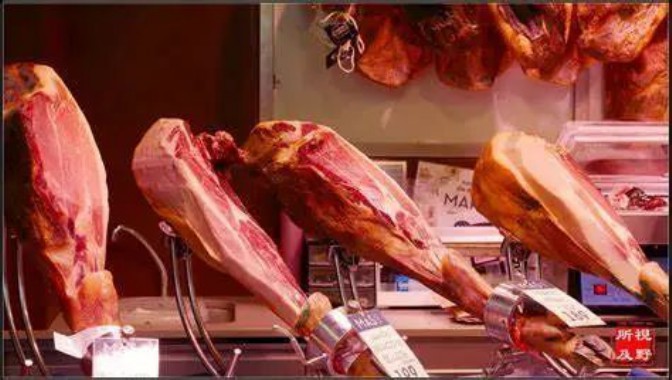
The main function of a ham stand is to secure the ham, making it easier to cut thin, long slices horizontally with a ham knife. Without a ham stand, the ham slides around and it’s difficult to achieve thin slices. It also increases the risk of the knife slipping and causing injury, which severely affects the experience. Most ham stands on the market come with clamps and a base, firmly holding the ham on a sturdy wooden or metal board, greatly enhancing both safety and aesthetics.
Common Types and Materials of Ham Stands
Currently, Spanish ham-specialized red wine pairs well with three main types of ham stands that you can choose from based on your needs:
| Type | Features |
|---|
| Basic | Affordable, suitable for families who eat ham occasionally |
| Rotating | Rotates 360 degrees for more precise slicing |
| Professional | Uses higher-quality materials, sturdy structure, ideal for frequent slicing |
As for materials, the most common are oak, stainless steel, and walnut, differing in durability. Generally, wooden bases offer the best value for money.
How to Choose the Right Ham Stand?
- 1. Check if the base is stable[/size=18]
The base should be thick and sturdy enough not to wobble during slicing.
- Clamp mechanism[/size=18]
A good ham stand will have sturdy stainless steel clamps that ensure a secure grip.
- 3. Easy to clean[/size=18]
Stands that are easy to disassemble and clean are more practical.
Some Tips for Using a Ham Stand
For beginners, it’s recommended to start slicing from the thickest part, keeping a proper angle between the knife and the ham stand. Always clean scraps promptly after slicing to prevent bacterial growth. If the Spanish ham stand won’t be used for an extended period, cover the cut section with the ham’s own skin and fat to keep it fresh.
Conclusion and Sharing Experiences
A ham stand is a very practical tool in Spanish family kitchens, not only improving the slicing experience but also helping preserve and showcase the ham more professionally. If you have any experiences or questions during purchase or use, feel free to join the discussion below!
Have you used any type of ham stand? Share your personal impressions with us!
