Spanish Ready-to-Eat Ham: Self-Operated Experience and Buying Tips Sharing
With increasing attention to healthy eating and quality of life, ready-to-eat ham is becoming more popular among the Chinese community in Spain. Whether at local supermarkets or specialty food stores, ham remains an essential delicacy choice. Recently, many friends have discussed issues related to “Spanish self-operated ham” in our group, so here on Spanish Ham Cubes Self-Operated I combine my own practical experience to talk about how to select ready-to-eat ham and important points for self-operated purchases.
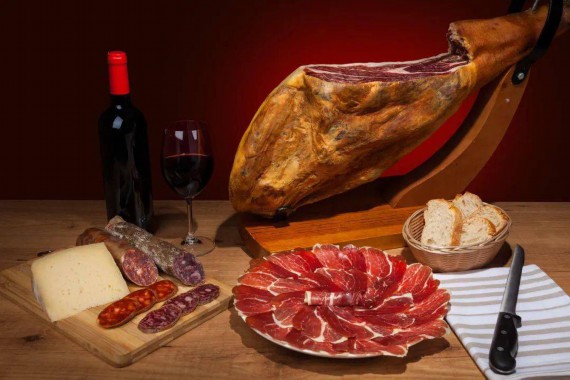
Understanding Common Types of Ready-to-Eat Ham
Spanish ready-to-eat ham is mainly divided into Iberian Ham and Serrano Ham. Iberian Ham has a richer and more delicate flavor and is relatively more expensive, while Serrano is more popular and suitable for everyday consumption. Buying through self-operated channels usually means more affordable prices, and with Spanish Whole Ham Self-Operated you can better control the quality of the inventory.
| Ham Type | Characteristics |
|---|
| Iberian | Delicate and aromatic |
| Serrano | Firm texture |
Advantages and Risks of Self-Operated Ham Channels[/size=20]
Self-operated channels often refer to purchasing directly from manufacturers, butchers, or farms by oneself or acquaintances. On one hand, this approach reduces middleman costs and maintains freshness; on the other hand, it carries some risks such as storage conditions and safety traceability that require special attention. It is recommended to choose suppliers with complete qualifications and good reviews.
Practical Advice for Buying Ham
From personal experience, I mainly focus on three points when buying: First, brand and origin; second, vacuum packaging and shelf life; third, slice thickness and fat distribution. If the Spanish Ham Slices Self-Operated are self-operated goods, buying small packs first in WeChat groups or cooperatives to try the taste is a good practice before repurchasing.
How to Store and Enjoy Ready-to-Eat Ham
After purchasing ready-to-eat ham, it is advised to store it refrigerated and only take out the needed amount each time, avoiding repeated thawing that affects flavor. Pairing it with bread, olive oil, or tomatoes creates an authentic Spanish breakfast or tapas snack. If there’s leftover ham, consider dividing and sealing it or sharing with friends to keep it fresh and economical.
Conclusion and Additional Discussion
There are indeed many opportunities for Spanish ready-to-eat ham self-operated purchases. As long as you master reliable information sources and buying techniques, you can enjoy your food with peace of mind and more fun. If anyone has other trustworthy self-operated channels or better storage methods, feel free to share your experience in the replies to help make our life in Spain more delicious!
The above is purely personal experience and for reference only; corrections and additions are welcome~
