Comprehensive Guide to Spanish Imported Ham Self-Operation and Purchasing
As a friend who is a long-term resident in Spain and engaged in Spanish ham cube self-operation, I’ve noticed that more Chinese expatriates are paying attention to authentic Spanish ham. There are many types of ham on the market with significant price differences, and many newcomers may feel confused: where is reliable to buy? How to import by oneself? Today, based on my personal experience, I have compiled a practical post. Everyone is welcome to discuss and share!
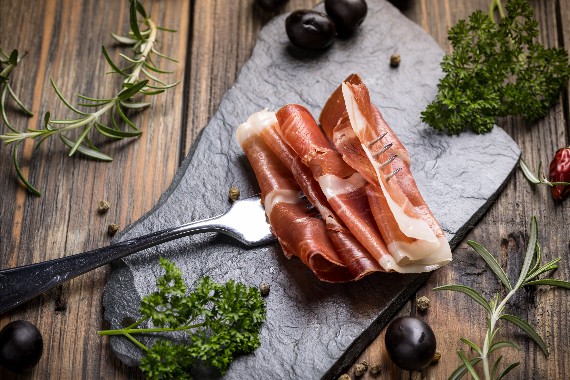
1. Overview of Main Types of Spanish Ham
To understand self-operation or purchase, one must first recognize the common types of ham. Spanish ham is mainly divided into two categories:
| Ham Name | Origin/Characteristics |
|---|
| Jamón Serrano | Mostly white pigs, short curing, savory and salty taste |
| Jamón Ibérico | Black-hoofed pigs, more grading, complex flavors |
Among these, Iberico is further subdivided into 4 levels, with Bellota being the top tier.
2. Self-Operated Imported Ham Methods and Suggestions
There are generally two ways to import ham yourself: purchasing in person or finding reliable purchasing agents/businesses to group orders.
- If you can personally visit the production areas in Spain for whole Spanish ham self-operation, prices are usually affordable, and you can experience the local ham culture.
- Also, if self-operating Spanish ham slices is needed for family and friends abroad, you can use official cold-chain transportation to ensure temperature control and intact vacuum packaging during transit.
- Note to check meat import policies of your country or region, as some places have restrictions on ham to avoid customs issues.
3. How to Identify Authenticity and Quality
- The genuine Jamón Ibérico label is very important.
- Observe the cut surface; top-grade ham has a reddish, even color with delicate texture, and fat that melts like jade.
- The ham skin and hoof should be intact; black hooves make it easier to identify Iberico ham.
Some e-commerce platforms offer suspiciously cheap ham often mixed with inferior products, so choose cautiously!
4. Storage and Consumption Tips
How to preserve ham after purchase? Actually, sealed storage at room temperature is best, avoiding moisture and strong light, and cover cut parts with special cloth each time.
- Whole ham should be placed on a ventilated rack, with ideal temperature 16-23°C.
- Sliced ham can be refrigerated but must be separated by food-grade paper.
5. Purchasing Experience and Summary
I have participated in several ham group purchases myself, sourcing from reliable local meat shops in Spain to send to family back home. Overall experience was good, but clear communication regarding shipping details and return policies is essential. It is recommended to compare brands from major production areas, not chasing high prices nor compromising for too cheap options.
If anyone has more ham buying tips or good supply channels, feel free to share in the thread~ Spanish life is inseparable from great food, and ham is definitely a must-have. Wishing everyone can enjoy the ham they love!
