As a foodie who has lived in Spain for almost five years enjoying Spanish ham and sausages, many friends often ask me how to store Iberian ham or sausages when they can’t eat them all before they spoil. Today, I’ll share some practical advice to help you better enjoy these unique delicacies.
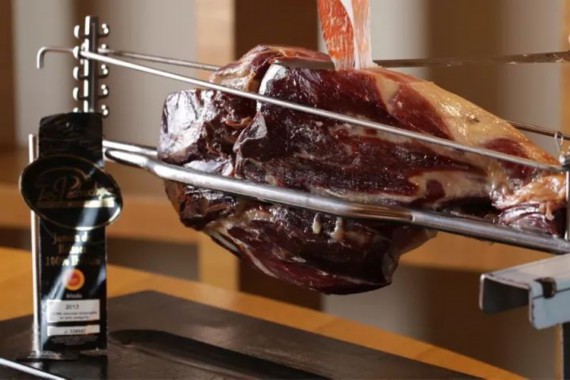
Storage Methods for Large Ham Cuts
If you buy a whole ham, typically in Spanish households it is simply hung at room temperature. However, there are some important points to note:
- Keep it ventilated, dry, and avoid direct sunlight
- Wrap the outside with a clean cloth
- At the cut area, lightly rub with ham fat or olive oil, then cover with plastic wrap to prevent drying
Generally, this method allows the ham to be stored for several months. Once sliced, it is recommended to consume as soon as possible, but if you cannot finish it, you can follow the table below:
| Food Item | Recommended Storage Method |
|---|
| Whole Ham | Room temperature, ventilated place, wrapped in cloth |
| Sliced Ham | Refrigerated, sealed storage |
Tips for Preventing Moisture in Sausages and Cured Meats
Spanish sausages are more prone to mold than ham. From my experience, never wrap sausages directly with plastic wrap! This causes moisture and mold flavors. The best practice is:
- Keep whole sausages in a ventilated place, hanging or in a wire basket
- Wrap cut parts with wax paper or kitchen towels, then put inside a cloth bag
- If slight white mold appears in humid conditions, simply wipe it off; it does not affect edibility
Can You Use a Refrigerator?
Try to avoid storing ham and sausages in the fridge for long periods! Low temperatures in refrigerators accelerate flavor loss and can even cause spoilage. However, if already sliced or close to expiration, short-term refrigeration is possible:
- Store sliced ham or sausages in sealed containers or vacuum bags
- Let them warm up a bit before eating for better taste
How to Identify Ham and Sausage Spoilage
Sometimes poor storage conditions cause issues, and you should watch out for:
- Sour or bitter smell
- Green mold spots on the surface
- Inside is wet, soft, and sticky when cut
In these cases, it’s best not to risk eating them; your health comes first!
Frequently Asked Questions
| Question | Answer |
|---|
| Will it be too salty? | Proper storage prevents this; sealing cut areas with fat helps |
| Is summer more prone to spoilage? | Good ventilation and frequent cloth changes help in high humidity |
| Can it be frozen? | Not recommended; freezing affects flavor and texture |
I hope these tips are helpful! If you have more storage tips for Spanish foods, feel free to join the discussion~ Let’s protect the unique taste of Spanish delicacies together!
