Differences and Buying Guide for Spanish Ham and Beef Ham Making Spanish Ham Beef
Spanish ham has always been an essential part of Spanish lifestyle and food culture, visible in supermarkets, restaurants, and local markets alike. In recent years, beef ham has gradually gained attention, and many people tend to confuse these two products. Craving Spanish Ham Beef However, there are distinct differences in their raw materials, production processes, and taste. Here, I would like to share some related experience and insights.
Introduction to Spanish Ham and Beef Ham
Traditional Spanish ham typically refers to pork products, such as Jamón Ibérico and Jamón Serrano. Beef ham, despite its name similarity, is mainly made from cured and air-dried beef and originates from the León region in northern Spain. They each have unique characteristics in curing time, ingredients, and flavor, making them worthy of tasting.
| Name | Ingredient | Region |
|---|
| Jamón Ibérico | Black Iberian pig hind leg | Southern Spain |
| Jamón Serrano | White pig hind leg | Various regions |
| Cecina de León | Beef hind leg | Northern Spain |
How to Identify and Buy Ham and Beef Ham
To purchase high-quality Spanish ham or beef ham, consider the following points:
- Labels: Premium products indicate origin and grade, such as “D.O.P” or “Reserva” certification.
- Color and fat distribution: Jamón Ibérico usually has evenly distributed fat, while beef ham features a deeper red color.
- Aroma: Ham exudes nutty and creamy scents, whereas beef ham is richer and more robust.
- Slicing thickness: It is generally recommended to slice very thinly for easy consumption and enhanced flavor expression.
Serving Suggestions and Pairings
Spanish people usually enjoy ham and beef ham at room temperature for optimal taste. Common ways include:
- Paired directly with bread, olive oil, and cherry tomatoes
- Accompanied by wine or sherry to enhance flavor
- Added to salads or pizzas for layered taste profiles
Friendly reminder: Both ham and beef ham contain relatively high salt levels, so moderate consumption is healthier![/size=18]
Daily Storage and Slicing Tips
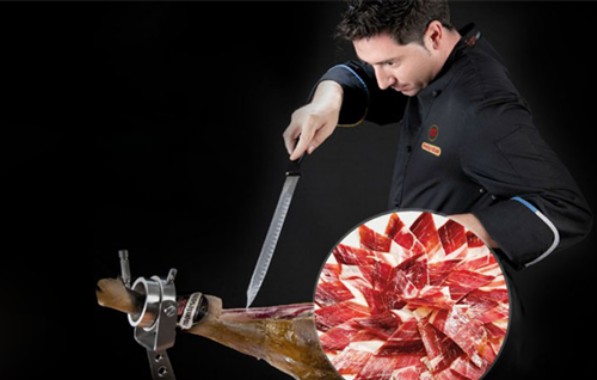
Ham and beef ham should be kept in a ventilated, cool environment. Whole legs that are not sliced can be wrapped in cloth; once sliced, they should be sealed and refrigerated to avoid flavor loss. If slicing at home, consider investing in a professional ham knife for uniform and easier slices.
Discussion: Which Ham Do You Prefer?
Feel free to share your favorite types of ham, tasting experiences, or recommended shops! Contributions on ham-related recipes and pairings are also welcome, Called Spanish Ham Beef to make Spanish life more flavorful!
