Importing Spanish Beef and Ham: Procedures and Important Considerations
After living in Spain for a while, many friends might miss the unique taste of beef and ham from their home country or wish to send authentic Spanish ham to family and friends back home. I recently went through the import process for beef and ham from Spain and here I summarize my experience, welcome to contribute and discuss!
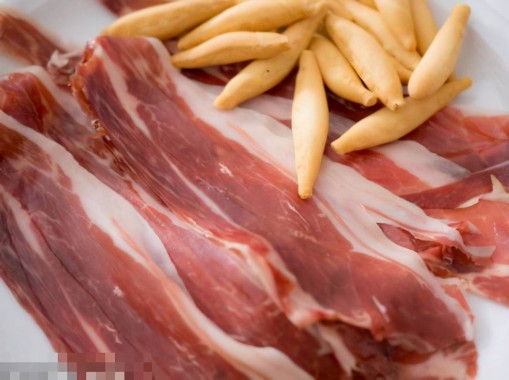
1. Basic Regulations for Importing Beef and Ham
As Spain is a member of the European Union, meat exports are subject to strict quarantine and hygiene standards. Whether for commercial or personal use, beef and ham exports must meet the following requirements:
- Must obtain official health certification.
- The source factory must have export access qualifications.
- Packaging must include detailed information about origin and production date, such as in making Spanish ham and beef.
European ham exports mainly focus on Iberian and Serrano hams. Currently, China craves Spanish ham and beef allowing some producers to export, but brands and qualifications have registration restrictions; it is recommended to check announcements from the [Spanish Ministry of Agriculture] or Chinese Customs Administration in advance.
2. Import Channels and Methods
Generally, individuals can import beef and ham through three main channels:
| Channel | Advantages | Disadvantages |
|---|
| Shipping/Courier | Fast, secure | Easily taxed/seized |
| Carrying Personally | Convenient, no postage fee | Quantity limited, subject to inspection |
| E-commerce Platforms | Official, trackable | Relatively more expensive |
Packing ham yourself to bring back home must comply with Chinese customs’ carrying standards, it is recommended to understand these beforehand and avoid attempting to sneak items, as they might be confiscated.
3. Costs and Taxes
The main concern in importing beef and ham is customs clearance fees and tariffs. Chinese Customs levies tariffs and VAT on meat and meat products and additionally charges quarantine fees. Some courier companies may assist with clearance but full documentation must be provided. Small personal shipments generally face higher tax rates, so please be aware!
4. Special Notes and Common Issues
- Be sure to confirm the product has legal export and quarantine certification.
- Vacuum packaging can extend shelf life, but cold chain logistics are preferred.
- Chinese Customs has very strict requirements on ham, cured meat, etc., and some parts or brands may not be allowed for import.
- Iberian ham is the most popular, but counterfeits are common; it is recommended to purchase through named Spanish ham and beef official platforms.
5. Summary and Suggestions for Exchange
The process of importing Spanish beef and ham is more complex than expected. It is necessary to understand policies, certificates, and official channels in advance. Never attempt to carry or ship items privately without clear regulatory understanding. If you have experience with this process, please feel free to share your practical knowledge and cases in this thread so everyone can avoid detours and enjoy authentic flavors!
