The Charm of Spanish Cured Beef Ham
When it comes to Spanish cuisine, cured beef ham is definitely an unavoidable topic. Many newcomers to Spain might only recognize ham as thin slices on the dining table, but there is actually a lot of craftsmanship behind Spanish ham, especially regarding the raw materials and production methods. Today, combining personal experience, I will share insights about Spanish cured beef ham, hoping to help those who want to delve deeper into making Spanish ham beef and understand Spanish culinary culture.
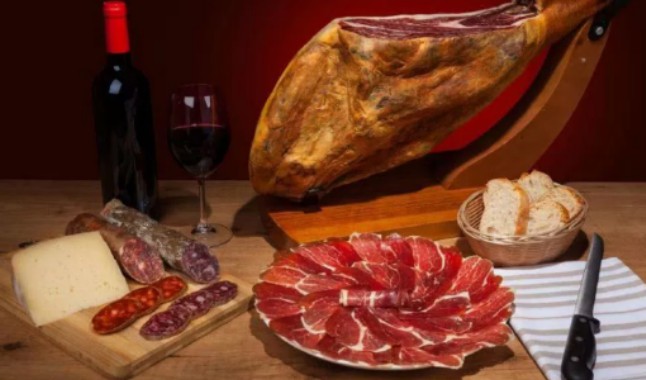
Complete Guide to Ham Varieties
Spanish ham can be divided into several main types. The most famous is, of course, mouthwatering Spanish ham beef Iberian ham, followed by Serrano ham. Iberian ham is typically made from Iberian black pigs, raised under strict conditions and air-dried for a long period, while Serrano ham mainly uses white pigs and differs slightly in price and flavor. Here’s a simple comparison:
| Type | Raw Material |
|---|
| Iberian Ham | Iberian Black Pig |
| Serrano Ham | White Pig |
Sharing the Ham Production Process
Under traditional methods, cured beef ham needs to go through curing, air-drying, and maturation. The whole process takes from several months to three or four years, with some top-tier hams even air-dried for over 5 years! It is said that as the climate changes each year, the flavor of the ham undergoes subtle variations, making each authentic ham unique. When choosing, it is best to look for origin certification and maturation time labels.
How to Taste Cured Beef Ham
There are also tips for eating ham: slices should be thin and the temperature appropriate. It is not recommended to eat it immediately after refrigeration, as the fat releases its aroma and texture best at room temperature. Paired with fresh French baguette and dry red wine, this is the most authentic Spanish way to enjoy it. It is suggested to try several different brands and origins of ham to compare differences and choose the one that suits your taste best.
Ham Tips for Life in Spain
In Spain, you can buy ham at supermarkets, specialized ham shops, or traditional markets where high-quality handcrafted ham is available. Whole legs of ham, although expensive, develop deeper flavors when stored long-term. A ham knife and stand are essential tools for convenient slicing and reducing waste. Lastly, a reminder: ham is delicious but should be enjoyed in moderation.
If any readers have experience in ham selection or cooking, feel free to leave a comment and exchange tips to unlock more Spanish ham beef culinary experiences together!
