Practical Guide to Storing Spanish Beef and Ham
Arriving in Spain, beef and Iberian ham are undoubtedly star delicacies on the dining table. Many people worry about improper storage affecting flavor, especially for those who do not cook often or are new to Spain making Spanish ham beef. Mastering the right storage methods is very important. This post combines personal experience and research to discuss how to properly store Spanish beef and ham at home.
Although both are meat products, storage methods and preservation details differ. Below is a practical summary by category.
Key Points for Storing Beef
- Refrigeration is the first choice: Fresh beef just bought should be kept in the refrigerator’s 0-4°C chilled section. If craving Spanish ham beef for short-term consumption, keep it in the original packaging or wrap it with cling film to prevent drying.
- Freezing allows long-term storage: For beef not eaten within 3 days, it is recommended to cut into portions, seal, and freeze to maintain freshness and avoid odor transfer.
Avoid repeated thawing: If not consumed entirely after thawing, do not refreeze, as it can breed bacteria.- Pre-treatment required: Defrost slowly in the refrigerator one day before cooking for better flavor.
Below is a simple table distinguishing common beef storage durations and recommendations:
| Cut | Refrigeration (days) | Freezing (months) |
|---|
| Steak/Tenderloin | 2-3 | 6-12 |
| Chuck/Brisket | 2-4 | 4-8 |
| Ground meat | 1-2 | 2-4 |
Ham Storage Tips and Precautions
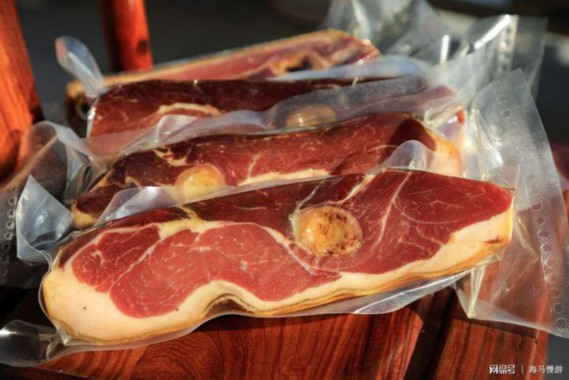
Spanish ham is usually air-dried and cured; proper storage lets you enjoy it for a long time. Most whole legs do not require refrigeration and are best hung or placed in a ventilated, cool, and dry spot. Ideal temperature is 15-20°C with 60-70% humidity, avoiding direct sunlight.
- Cover cut areas with gauze or cling film to prevent oxidation and drying.
- Use the ham’s own fat to cover the exposed meat surface for moisture retention and to avoid cracking.
- Sliced ham should be refrigerated and consumed within 7 days.
How to Handle Storage Abnormalities?
Sometimes the surface of ham becomes white, which is a normal phenomenon of salt crystallization and drying as explained in named Spanish ham beef and can be lightly wiped off. However, if beef or ham has obvious off-odor, discoloration, or stickiness, it is advisable to stop consumption immediately.
Common Misconceptions About Home Storage of Ham and Beef
- Refrigerating ham is safer? NO! Whole leg ham becomes hard and loses aroma if refrigerated. Only sliced ham requires low-temperature storage.
- Freezing beef always damages flavor? Not necessarily, as long as portions are well sealed to avoid air contact, frozen beef taste can be equally delicious once thawed.
Summary
Knowing the right storage methods can maximize the delicious lifespan of Spanish beef and ham. I hope this practical information helps newcomers to Spain. Feel free to leave comments and share more tips! What experiences do you have regarding storing Spanish delicacies? Let’s discuss together!
