What Is Spanish Ham?
Living in Spain for a while, friends often ask: “Is Spanish ham smoked?” As a local resident, I discovered that the vast majority of Spanish hams are not smoked. So where does their unique flavor come from?
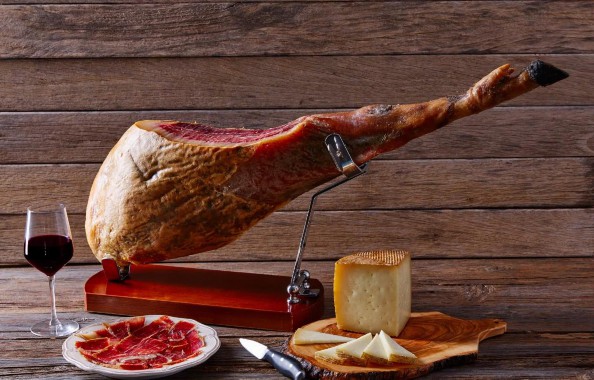
Traditional Production Techniques of Spanish Ham
Like Italian Parma ham, Spanish ham undergoes a long natural drying and curing process instead of smoking. The dry climate here is perfect for hanging the hams in well-ventilated mountain villages or wine cellars to dry slowly—some even cure for over three years. The essence of the ham’s flavor comes through the natural fermentation and gradual aroma penetration achieved by the Spanish ham smoking process.
In some regions, there is a brief early use of wood fire smoke, but this is not the mainstream method and does not produce the strong smoky flavor typical of German or American hams.
Flavor and Smoked Taste Comparison
Many newcomers confuse Spanish ham with the smoked hams or bacon from their own countries. In reality, smoking and drying are two completely different processes.
| Type | Main Technique |
|---|
| Spanish Ham | Curing + Drying |
| German Ham | Curing + Smoking + Cooking |
| Bacon | Smoking + Salting |
Spanish ham’s flavor is more about dryness, nutty tones, and a subtle fermented aroma, as shown in the Spanish ham smoking temperature, without a strong smoky taste.
How to Choose Authentic Spanish Ham?
Many get confused when they see “jamón” at supermarkets. Basically, if the raw meat is from Spanish black or white pigs, cured naturally, and from regions like Huelva or Teruel, it’s worth trying. If smoked Spanish large ham is obviously smoky, it’s likely not a typical locally made product.
It’s recommended to buy vacuum-packed, bone-in whole ham for longer-lasting flavor. For sliced ham, choose brands that specify the drying duration.
Lifestyle Tips and Discussions
Over the years in Spain, visiting many ham factories and talking to local producers, the takeaway is clear: authentic Spanish ham is rarely smoked; its quality depends on the environment, raw materials, and time. For those who prefer smoky ham, Spain offers other smoked meat products like “lomo embuchado.”
Have you tried authentic dry-cured ham? Feel free to leave comments—what flavor do you prefer? Have you ever had unpleasant experiences with “smoked” ham? Let’s discuss!
