Tips for Making Spanish Pork Ham
Living in Spain, how can you not try making authentic pork ham yourself? This post compiles Spanish ham making tips with small tricks and life experiences for making Spanish ham at home, suitable for both beginners and those with some cooking experience.
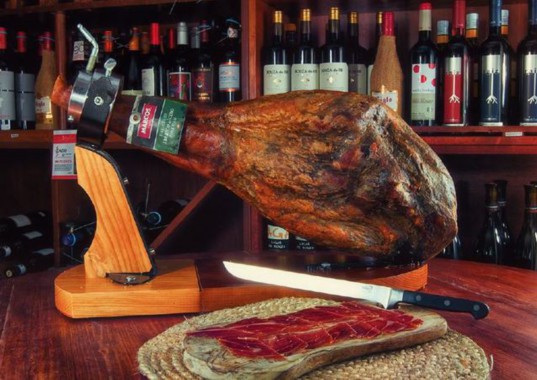
Choosing Ingredients Wisely
To make delicious Spanish ham, selecting the right ingredients is crucial! Common choices include Iberian pork or Serrano pork. It’s recommended to choose fresh hind legs with skin and a layer of fat; Spanish ham salad tips show that ham cured this way is more tender and elastic. You can buy from local markets or supermarket butchers and chat with the sellers—you might learn some local tips.
Curing and Seasoning
The curing process is key. Typically, coarse sea salt is used, at about 35-40 grams per kilogram of pork leg. Curing time varies depending on the size of the meat, generally 1-2 days per kilogram. Make sure to cure evenly, massaging the salt into every corner to avoid uneven flavor. Additionally, you can add an appropriate amount of rosemary, black pepper, thyme, and other herbs for aroma.
| Ingredient | Description |
|---|
| Pork leg | Choose fresh meat with enough fat |
| Sea salt | Coarse grain, suitable for long curing |
| Herbs & spices | Add according to personal taste |
Drying and Storage
After curing, pat off excess salt from the pork leg, then hang it in a ventilated, dry, and cool place to air-dry. The traditional method in southern Spain is slow drying at 15-20℃ with 60-70% humidity. This process can last several months or even over a year, and you can adjust based on your conditions. Keep an eye on whether mold spots appear; if abnormalities occur, address them promptly.
Slicing and Serving Ham
For the best flavor, slice thickness is very important! It’s recommended to use a specialized ham knife to cut thin diagonal slices, preferably with some fat layer on each slice. You can eat it directly, or pair it with olive oil, crusty bread, or even melon, all authentic Spanish ways to enjoy it. If your Spanish ham slicing tips result in slices that are too thick, simply warm them up slightly before eating—no worries.
Life Tips and Summary of Experience
- Be patient during the curing process.
- When storing ham, wrap it in cotton cloth to prevent excessive drying.
- If the ham surface becomes too hard after long air-drying, cut off the outer layer before continuing to eat.
- For issues with curing, drying, or storage, remember to post in forums to get help and share experiences!
Do you have your own experiences or lessons learned from making Spanish ham? Feel free to leave comments and join discussions to enjoy Spanish cuisine more authentically together!
