Practical Sharing on Preserving Spanish Ham Fat
Hello everyone, I am a food enthusiast who has lived in Spain for many years. Recently, I noticed that many friends bought Spanish ham but were a bit confused about how to preserve and use the fat trimmed from the ham. Today, I’d like to share my experience and some practical tips with you.
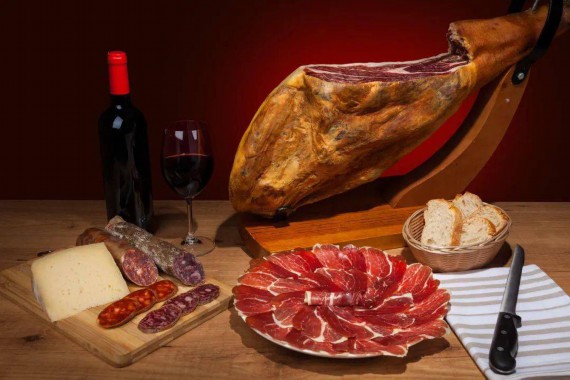
The fat part of Spanish ham is very precious. It is usually located on the surface of the ham, appearing snow-white or pale yellow. This fat not only enhances the ham’s flavor but also helps keep the ham moist and flavorful during storage. It’s really a pity to throw away the fat! Below, I’ll discuss the preservation methods in detail along with the transparency content of Spanish ham fat in several key points.
How to Separate and Preserve Ham Fat
When slicing ham, it’s recommended to use a specialized long knife to separate the meat from the fat, trying to keep the fat in thick complete slices. After separation, immediately wrap it with cling film, or store it in sealed bags. If possible, use kitchen paper to absorb excess surface oil beforehand to avoid dampness and mold. Also, remember to cut in batches—only take out the amount you can consume at a time, and try to keep the remainder intact.
Comparison of the Best Storage Methods
Here is a simple table for reference:
| Storage Method | Suitable Scenario |
|---|
| Sealed at room temp | Dry climate, short-term consumption |
| Refrigeration | Summer or for higher fat content, extending shelf life |
| Vacuum packaging | For long-term storage or as a gift |
I personally recommend the standard refrigeration method, storing the fat in the fridge compartment. Take it out as needed; the flavor won’t fade quickly. Avoid putting it in the freezer, as the fat will harden and lose its delicate texture.
Tips to Avoid Fat Spoilage
- The biggest enemies of ham fat are air and high temperatures, which cause oxidation, yellowing, or off-odors. After each use, tightly wrap the surface with cling film.
- You can also cover the exposed ham meat surface with the separated fat from the ham as a natural protective layer of Spanish ham fat transparency and abundance, preventing the meat from drying out.
- Avoid storing it together with strongly flavored foods to prevent cross-flavors.
- If the surface shows slight yellowing as seen in high transparency Spanish ham fat, gently shave off the outer layer. The rest is still usable.
Creative Uses for Ham Fat
Many local Spanish families fully utilize ham fat, for example:
- Using it as cooking oil to add flavor to scrambled eggs, toasted bread, etc.
- Dicing small pieces into salads to enhance aroma.
- Spreading it on bread for direct consumption.
Just a friendly reminder, although ham fat is delicious, moderation is key~
Summary
Spanish ham fat is actually very versatile. By paying attention to low temperature, sealing, and avoiding light, you can preserve its original flavor well. Feel free to choose the most suitable storage method according to your situation and share your experiences or questions. Looking forward to your comments and exchanges!
