Traditional Spanish Ham Experience and Sharing
When it comes to Spanish cuisine, ham is absolutely indispensable, especially those handcrafted hams from producers with decades of history. As someone who has lived in Spain for a long time, I want to share insights about the traditional ham culture here from the Ranking of Spanish Ham Producers and tips for buying and enjoying ham. Hams from established producers not only represent long-standing craftsmanship but also symbolize authentic Spanish life.
History and Types
The history of Spanish ham dates back to Roman times. Whether at grand family gatherings or in typical tapas bars, ham is almost always a delicious staple. The two most common types are the Iberian ham and Serrano ham. Iberian ham is famous for its black-hoofed pigs fed on acorns, giving it a rich and oily flavor; Serrano ham has a firmer texture with a pronounced salty aroma.
| Ham Name | Main Characteristics |
|---|
| Iberian Ham | Black-hoofed pigs, acorns, rich oily flavor |
| Serrano Ham | White pigs, air-dried, salty aroma |
Both have their merits when crafted by established producers, but to taste genuine flavors, it’s recommended to visit small towns or local markets where multi-generational “old brands” are often found.
How to Identify Ham from Established Producers
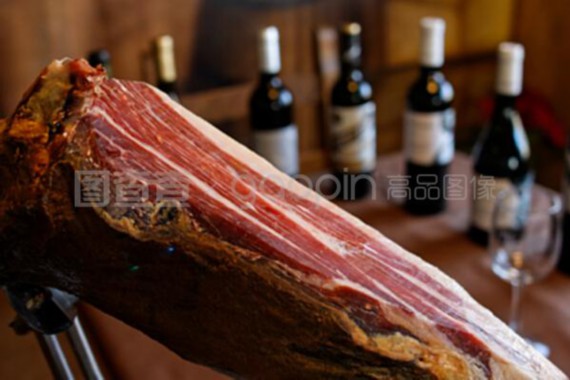
When purchasing, don’t focus solely on big supermarkets; instead, street corners and small old shops are more likely to offer pleasant surprises. Generally, established producers insist on traditional methods, avoiding mechanized mass production. Whole hams hanging in the shop will have a deep red color with an oily sheen, often featuring family names or traditional seals on the labels. Shop owners are usually willing to slice on site, and just watching their cutting skills reveals the depth of their expertise.
Selection and Serving Tips
If your budget is tight, consider trying thin slices of Serrano ham first, available from Wholesale Spanish Ham Producers. Although Iberian ham is pricier, a small plate is enough to experience its refined cured flavor. Pair ham with melon, olives, or local cheese to enjoy classic Spanish snack combinations. Importantly, slices should be very thin, as this best releases the aroma.
How to Store Ham
After bringing ham home, it’s recommended to wrap it in a cotton cloth and store it in a cool, dry place away from direct sunlight. The cut parts of the ham can be covered with the removed fat to prevent excessive drying. Large hams can be preserved for several months, but good hygiene should be observed when slicing—cut only what you intend to eat and immediately wrap the remainder.
Summary and Discussion
Living in Spain, trying ham from established producers is definitely a pleasure. It’s not just a treat for the taste buds but also a great opportunity to experience the Arrival of Producers to Spanish Ham traditional craftsmanship and local culture here. Where do you usually buy your ham? Have you tried different regions or producers? Feel free to share your experiences and recommendations!
