Spanish Ham Factory Pig Slaughtering Process and Real Visit Experience
When it comes to Spanish specialty food, everyone definitely thinks of Iberian ham first. However, behind the unique flavor of Spanish ham lies a complex and mysterious production craft. Recently, I was fortunate to join a small tour group and visit a local traditional ham factory, witnessing the entire pig slaughtering and preliminary processing process firsthand. Below I will share my observations and thoughts with you in detail through 5j Spanish Ham Factory.
Preparation and Precautions for Entering the Factory
Before departure, the factory required us to wear special disinfected shoe covers and hair nets to strictly control the hygiene environment. Usually, such ham factories open for visits only on slaughtering days. Children and those sensitive to slaughter scenes are advised to prepare mentally in advance, as the process is quite direct and visually impactful. On the day of the visit, professional guides led the tour in detail.
Full Record of the Pig Slaughtering Process
The pig slaughtering step that everyone cares about is actually very quick. After the pigs arrive at the factory, they undergo several hours of resting to reduce stress reactions and ensure ham quality. The actual slaughter usually uses electric stunning, which is instantaneous and painless, followed by bleeding. After bleeding, the staff quickly skins, cleans, and cuts the pig. The whole handling process takes less than 30 minutes. The simplified process is shown in the table below:
| Step How Does the Spanish Ham Factory Rank | Description |
|---|
| Resting | Regulating pig’s mood |
| Electric stunning | Fast and painless |
| Bleeding | Ensures meat color and flavor |
| Cutting and processing | Removes impurities |
Initial Ham Curing
Once selected and cleaned, the pig legs are soaked in brine for a few days to start the dehydration process. A faint salty aroma can be smelled on site. Factory workers strictly control the timing and temperature. However, only pig legs with high fat content and ideal meat quality will be chosen as raw material for the highest-quality Iberian ham. During the ham curing stage, time and management are critical.
On-Site Observations and Impressions
Seeing the slaughter and initial processing with my own eyes was quite Spanish ham manufacturing factory introduction and visit experience shocking. Many first-time visitors felt somewhat uneasy, but the staff handled the animals very humanely and hygienically. Joining the factory tour provides a clear understanding of every step of Iberian ham production, giving more respect and knowledge than supermarket shelves.
Practical Tips for Visiting Ham Factories
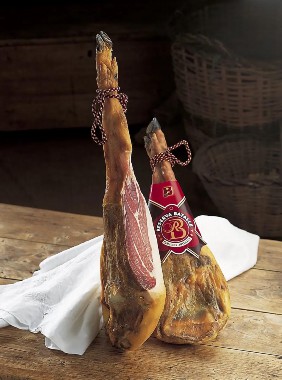
If you are interested in visiting, it is recommended to book in advance, wear comfortable clothing, and bring both curiosity and respect. After all, making a quality ham requires not only craftsmanship but also a respectful attitude toward food. Many ham factories also organize tasting sessions where you can savor the authentic flavor matured through time and skill accumulation, which is definitely worth trying.
