Exploring the Acquisition of Spanish Ham Factories
For those looking to live and start a business in Spain, acquiring a ham factory is undoubtedly a hot topic. Iberian ham is renowned worldwide, and its industry is quite mature. If you have ever considered or are currently considering entering this field, here I share my research and experiences.
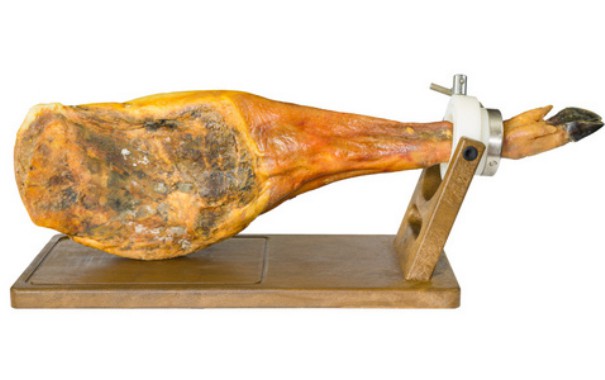
Market Status and Industry Fundamentals
Today, the Spanish ham industry not only serves the local market but also exports extensively worldwide. Because of this, many small and medium family-owned factories exist—these often consider selling due to inheritance or operational pressures. Acquiring a ham factory typically involves a comprehensive evaluation of the factory’s assets, brand, channels, and licenses. For example, the cleanliness of the plant, modernization of machinery, patents and registrations, as well as the existing customer relationships of the 5j Spanish Ham Factory are all crucial for assessing operational risks and future profits.
Acquisition Process and Compliance Points
The overall process includes: target screening → due diligence → negotiation and evaluation → signing agreements → transfer and handover. Spain’s commercial legal system is well established, and factory acquisitions involve multiple compliance areas such as land use, labor, hygiene, and environmental protection. It is advisable to hire professional lawyers and accountants before acquisition to thoroughly review the factory’s historical debts, taxes, and employee contracts.
| Stage | Considerations |
|---|
| Due Diligence | Verify assets and liabilities, including hidden debts, and understand the Spanish Ham Factory rankings and equipment status |
| Negotiation & Agreement | Clearly define acquired assets and brand ownership |
| Transfer & Handover | Ensure permits are complete and transferred timely |
Risks and Budget for Acquiring a Ham Factory
I understand that factories with lower investment thresholds start from several hundred thousand euros, but those equipped with refrigeration and fully initialized production lines usually command higher prices. Additionally, prepare for early-stage cash flow pressures and continuous investment. Raw material sourcing, production permits, and market fluctuations all impact operations.
Some have noted that the biggest challenge lies in the “expansion of local sales channels,” which is highly related to product reputation and brand development. It is also necessary to estimate potential costs of contracted workers and subsequent investments.
Experience Sharing and Recommendations
Based on feedback from experienced immigrants and local acquaintances in forums, here are some points shared in the Spanish Ham Manufacturing Factory Introduction and Visits Experience:
- Do not overlook family workshop-style factories—they offer flexibility but carry higher risks.
- Actively communicate with local government and unions to understand the latest policies and subsidies.
- Confirm that existing qualifications and permits of the factory can be smoothly transferred.
- For initial operations, it is recommended to target the high-end market first to avoid competing with major brands on price.
You are welcome to share your own experiences regarding ham factory acquisition or related food industry ventures! If you have questions, feel free to leave comments for mutual learning and growth.
