Getting to Know Spanish Ham Makers
Many people know that Iberian ham represents Spanish cuisine, but fewer understand the group behind it — the Spanish ham maker certification professionals. Even fewer are familiar with the Spanish ham maker certification requirements. These artisans are not only responsible for producing ham but are also vital preservers of Spanish culinary culture. In southern Spain, ham-making families often have histories spanning over a century, with each cut reflecting accumulated experience.
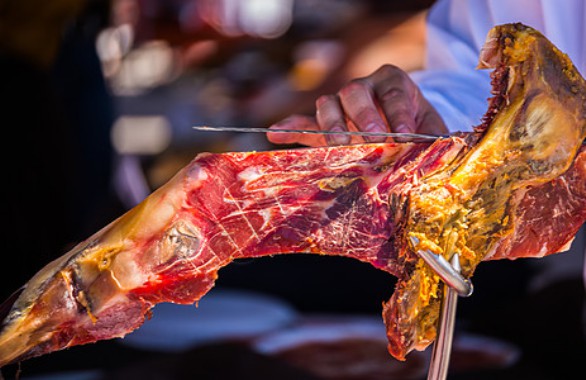
Daily Work of Ham Makers
A Spanish ham maker’s day begins early. They first check the temperature and humidity of the curing room to ensure every ham dries in optimal conditions. Then, they carry out a series of routine tasks including salting, hanging to dry, and maintenance. Especially during the critical drying phase, every turn affects the ham’s final flavor. A skilled ham maker uses their nose and eyes to judge the maturation of the ham rather than relying solely on instruments.
Material Selection and Craftsmanship Heritage
Material selection is crucial in ham production. The breeding methods, age, and fat ratio of Iberian black pigs, directly impact the final quality. Experienced makers visit farms early to select suitable hind legs for premium ham and strictly control the salt amount and curing time. These techniques are mostly passed down orally among makers, a true “handcrafted skill.”
| Type of Spanish Ham | Characteristics |
|---|
| Iberian Ham | Rich flavor, high price |
| Serrano Ham | Short curing time, light taste |
| Regional Specialty Ham | Varied flavors, diverse ingredients |
Life and Challenges of Ham Makers
Making ham is not a quick process. Many makers work several hours once on duty, especially during holidays and peak shipping seasons, often requiring overtime. In recent years, with Spanish ham sought after worldwide, makers feel proud but also face challenges of rising raw material costs and innovation in techniques. Some young makers are experimenting with digital management processes to combine traditional experience with modern technology.
Getting Close to Ham Makers: Experience Authentic Culinary Culture
If you live in Spain, consider visiting a traditional ham workshop run by top Spanish ham makers. They will enthusiastically introduce you to each stage of ham production and even let you try hanging or slicing ham yourself. After experiencing this firsthand, you will realize that a piece of ham is not just food, but also carries the dedication and emotion of the artisan. Feel free to share fun stories about ham makers you’ve met or recommend workshops worth visiting~
