Detailed Explanation of Spanish Serrano Ham Grading
When it comes to Spanish cuisine, many people first think of passionate olive oil and authentic red wine, but one delicacy that truly represents the soul of Spain is Serrano ham. However, many face confusion when confronted with a wide variety of brands and prices: how exactly is Serrano ham graded? What counts as good ham? Today’s guide aims to enlighten you and help you pick the ham you’ll be satisfied with!
Basic Concept of Serrano Ham
The term Serrano actually comes from “mountain,” because the traditional craft uses dry mountain winds and temperature to naturally air-dry the pork leg. Compared to Iberian ham, Serrano ham is more affordable and suitable for everyday consumption. While not every Serrano ham is rare and expensive, there are grade differences to watch out for.
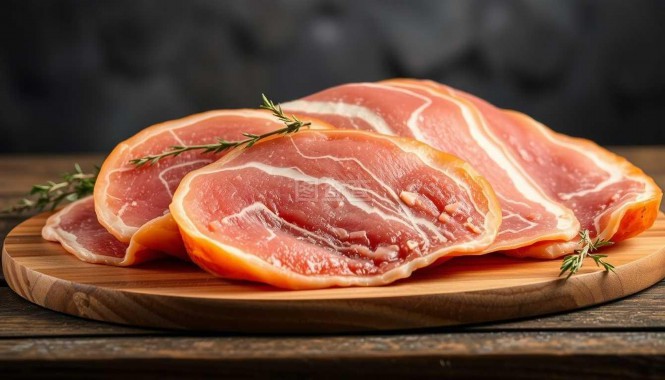
Main Grading of Serrano Ham
The grading of Serrano ham mainly depends on curing time and processing techniques. The most common official certification for Spanish Serrano ham is issued by the Spanish Ham Producers Association. The specific grades are as follows:
| Grade | Curing Time |
|---|
| Bodega | 9-12 months |
| Reserva | 12-15 months |
| Gran Reserva | Over 15 months |
Generally, the longer the curing time, the stronger the flavor and the firmer the texture. If you prefer a lighter, simpler taste to accompany drinks, Spanish Serrano air-dried ham Bodega is a good choice; for more complex meat aroma and better mouthfeel, consider Gran Reserva.
How to Choose Serrano Ham?
When selecting ham, it is recommended to check the Spanish Serrano ham slices for skin texture and fat distribution. Quality Serrano ham has an even distribution of outer fat, pinkish glossy meat color, and a natural faint aroma of nuts and fermentation. At the supermarket slicing counter, communicate with staff and try hams with different curing times—some flavors suit raw eating, others are better for cooking.
For products bearing the “Consorcio” certification mark, prioritize quality and origin assurance!
Differences Between Serrano Ham and Other Hams
Many mix up Serrano ham with Iberian ham, but the two differ significantly. Iberian ham is made from Iberian black pigs, offering more prominent flavor and texture, with higher prices. If you want a casual daily taste of Spanish ham, Serrano ham is fully sufficient. Here is a simple comparison:
| Type | Main Pig Breed | Average Curing Period | Price Range |
|---|
| Serrano ham | White pig | 9-18 months | Affordable |
| Iberian ham | Iberian black pig | Up to 36 months | Significantly higher |
Daily Eating Methods and Storage Suggestions
Serrano ham can be sliced and paired with white bread and red wine, and it is also very suitable for salads and cold platters. After opening, cover the cut surface with a slightly damp cloth and keep it in a ventilated place. Leftovers can be portioned into sealed bags and refrigerated, but avoid excessive moisture and odors.
Have you learned to distinguish Serrano ham? Feel free to leave comments below sharing your experience or recommending tasty brands!
