How to Portion and Store Spanish Ham? Complete Practical Home Storage Tips
When talking about Spanish cuisine, many people immediately think of the delicious ham—Jamón Ibérico or Serrano. If you buy a large piece of ham to eat slowly at home, it’s highly recommended to do some homework in advance on how to portion and store it properly to avoid waste. Today, I will share my personal hands-on experience, and you are welcome to add or correct!
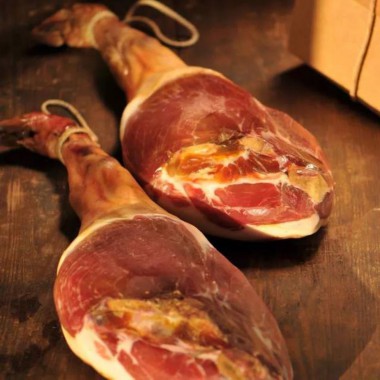
1. Ham Cutting and Portioning
After bringing home a whole ham, it’s best to cut it into smaller portions or thin slices suitable for family consumption. Avoid cutting too much at once, as this can cause moisture loss and drying out. A household knife can cut about 2–3 days’ worth of portions. The leftover ham can be wrapped with plastic wrap to reduce air exposure. Vacuum sealing is even more effective if you have a sealer.
| Portioning Method | Advantages |
|---|
| Eat freshly cut | Best flavor |
| Sealed with plastic wrap | Reduces drying and spoilage |
| Vacuum sealed | Retains original flavor, longest preservation |
2. Choosing Between Room Temperature and Refrigeration
An unopened whole leg can be hung in a cool, ventilated, and dry place away from direct sunlight; but once cut, don’t overlook proper storage. It’s best to store it in a cool, dark cabinet at 10–15°C. During summer, it is recommended to portion it into sealed bags and keep it in the refrigerator.
3. How to Properly Portion Slices
It is advisable to divide slices into small portions each time and take only what is needed. When enjoying at home, a plate suited for 2–3 people is ideal. Allow the slices to reach room temperature for about 10 minutes before serving for better flavor. Vacuum sealing or wrapping with multiple layers of plastic wrap reduces air contact and effectively prolongs the consumption time.
4. Mold and Odor Precautions
Many are concerned whether the cut surface will mold. Actually, a slight white crystalline appearance on the surface of authentic ham is normal. However, if the Spanish ham storage temperature results in large mold areas or odors, clean it promptly and monitor for spoilage[/size=16]. Keep the storage environment dry and avoid storing with other strong-smelling foods.
5. Other Practical Tips
- Do not rush to discard leftover bones; they can be used to make delicious soups or broths.
- When portioning, avoid direct hand contact with cut surfaces—use food-grade gloves if possible.
- For long-term storage, vacuum packaging in portions and freezing is recommended, though flavor may diminish slightly.
Feel free to discuss and share your home storage experiences or more professional methods! Storing Spanish ham properly is an art, and doing it yourself helps you appreciate its flavor even more.
