Comprehensive Guide to Spanish Ham Fermentation Temperature Requirements
Spanish ham has long been considered a treasure in world gastronomy, especially Iberian ham, highly sought after by countless food lovers and gourmets. One of the most critical steps in making authentic Spanish ham is the “fermentation stage.” Here, I combine practical experience and information to discuss the specifics of ham fermentation temperatures.
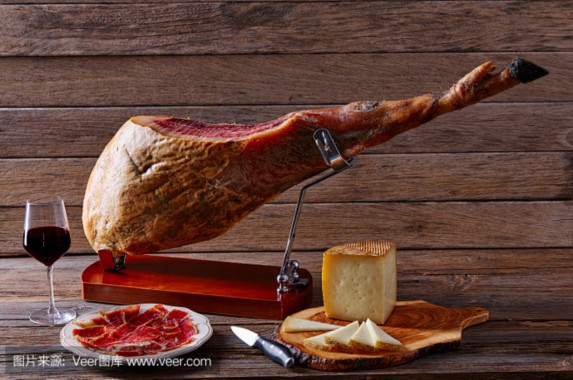
Optimal Temperature Range for Ham Fermentation
Generally, the fermentation process of Spanish ham requires strict temperature control. During the initial fermentation phase, the temperature is usually maintained around 3℃-6℃. At this stage, the ham undergoes continuous drying to help moisture gradually evaporate and to prevent the growth of harmful bacteria. After several months, the ham enters a slightly warmer “maturation” phase, usually at around 15℃-20℃. In terms of humidity, maintaining 70%-80% is generally recommended.
| Phase | Temperature Range |
|---|
| Initial Fermentation | 3℃ ~ 6℃ |
| Maturation/Fermentation | 15℃ ~ 20℃ |
Impact of Different Temperatures on Ham Flavor
If Spanish fermented ham is exposed to excessively high temperatures, it risks spoilage and off-flavors due to excessive fat oxidation; conversely, if the temperature is too low, fermentation slows down and flavor development is insufficient. After visiting traditional Spanish ham workshops, I found that some old workshops pay meticulous attention to details, such as adjusting ventilation and sun shielding according to seasons or choosing drying rooms with different ceiling heights to allow the ham to “slowly mature.” Even slight fluctuations in temperature can influence the final aroma of the ham!
Tips for Homemade Spanish Ham
Making ham at home carries considerable risk, especially during summer when room temperatures are high and controlling the temperature is difficult, increasing chances of spoilage. If you have a wine cellar or temperature-controlled cabinet at home for imported Spanish fermented ham, it’s advisable to set the temperature around 6℃ for long-term low-temperature drying. When the season is appropriate, transition gradually to 15-18℃ for the second stage. Without professional conditions for eating Spanish fermented ham, it is best to purchase certified mature ham.
Frequently Asked Questions about Fermentation Temperature
How precise should fermentation temperature be? In theory, every 1℃ increase or decrease can have an effect; for most homes, rough control within the recommended range is sufficient.
What if there is no hygrometer? Avoid placing the ham too close to walls or heating sources; keep it ventilated. Higher humidity may cause surface stickiness, whereas too low humidity can lead to excessive dryness and cracking.
Do various hams require different temperature settings? Similar needs overall; regular Serrano and Iberian hams don’t differ much, but premium Iberian hams often require a longer period and more stable temperature control.
Summary and Discussion
Though seemingly simple, the fermentation temperature of Spanish ham is crucial—it affects both the safety of the ingredient and the quality of its flavor. Whenever possible, it’s best to emulate traditional ham workshop techniques through trial and careful observation rather than shortcuts. Do you have other tips for making or storing ham? Feel free to leave your comments and share your experiences!
