What Are the Different Grades of Spanish Ham and How to Choose?
When it comes to Spanish cuisine, ham is a true classic. However, many newcomers to Spain feel overwhelmed by the wide variety of hams: supermarket prices vary wildly, names are diverse, so how exactly are they graded? Today, as a regular forum user discussing several Spanish ham brands, I’ll share some insights on Spanish ham grades and selection tips. Feel free to join the discussion.
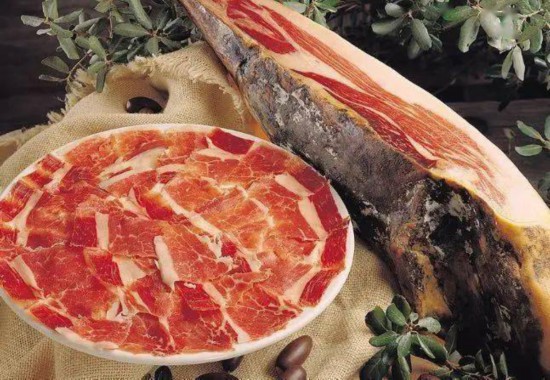
What Are the Main Types of Ham?
Generally, the Spanish hams you find in markets or supermarkets fall into two main categoriesIberian ham and Serrano ham. Iberian ham is the high-end pride of Spain, while Serrano is more common and budget-friendly.
| Ham Type | Price Range | Region of Origin |
|---|
| Iberian Ham | High | Southwestern Spain, main production area |
| Serrano Ham | Medium to Low | Various regions across Spain |
Subdivisions of Iberian Ham Grades
Iberian ham grading focuses not only on the pig breed but also on breeding methods and diet. The levels from highest to lowest are:
- Pata Negra – 100% Iberian black pigs fed mainly on acorns, representing the best quality.
- Bellota – Partial Iberian bloodline, also mainly acorn-fed, flavors close to Pata Negra.
- Cebo de Campo – Free-range on pasture, fed grains plus some wild foods.
- Cebo – Farm-raised, grain-fed.
Generally speaking, purebred acorn-fed is the top delicacy and the most expensive; Cebo is considered everyday consumption level.
Serrano Ham Is Suitable for Beginners
If you are just starting to explore Spanish ham, Serrano ham is a great entry point, affordable, with a savory, slightly salty taste and a softer texture. Serrano ham is generally made from white pigs, and curing periods vary by brand, such as “Reserva” and “Gran Reserva,” with curing times of 12 months and 15 months or more, respectively. You can choose based on your budget, making it convenient for everyday family use.
| Serrano Grade | Curing Time |
|---|
| Standard | 9-12 months |
| Reserva | 12-15 months |
| Gran Reserva | Over 15 months |
Buying and Identification Tips
When buying ham, besides checking the grading on the packaging, pay close attention to label colors—the darker the color tag, the higher the grade. For example, Iberian ham uses black, red, green, and white labels to indicate purity and breeding methods. Try to choose products with official D.O.P. certification for guaranteed quality.
If you want to explore several Spanish ham brands for daily sandwiches or gatherings with friends, you can go for Serrano Gran Reserva or Iberian Cebo grade; for gourmet tasting or gifts, Pata Negra or Bellota grades are recommended.
Experience and Summary
The deliciousness of Spanish ham is worth savoring slowly. Everyone’s taste and budget differ, so there’s no need to chase the absolute “best”; just find the ham experience that suits you. With grading knowledge, you won’t get confused when shopping anymore!
Do you have other ham brands or eating methods to recommend? Feel free to share your Spanish culinary experiences!
