100% Authentic Spanish Ham Identification and Buying Guide Authentic Spanish Ham
As a long-time forum friend who has lived in Spain and represents an Authentic Spanish Ham Store, I have great love and respect for Spanish ham. Here, the Authentic Spanish Ham Gift Boxes offer a rich variety of qualities and types, but when faced with a dazzling array of ham brands and cured legs, have you ever worried about buying a fake? Today, I’d like to share some [practical experience] to help fellow ham lovers!
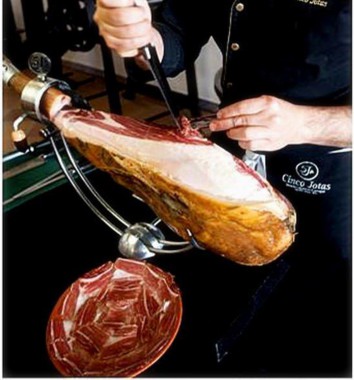
How to Judge if Spanish Ham Is Authentic? [/size=20]
- Leg Tag[/size=18]
Genuine Spanish ham will have a detailed origin label clearly indicating the production region.
- Attention! If you see a “Jamón Serrano” label in supermarkets or markets, it generally refers to white pig ham, which is affordable. For a premium experience, choose “Jamón Ibérico,” especially the pata negra variety, which offers more complex flavor layers.
Quick Reference Table for Ham Types[/size=18]
| Category | Characteristics |
|---|
| Jamón Serrano | White pig ham, widely popular, budget-friendly |
| Jamón Ibérico | Black pig ham, unique flavors, multiple grades |
| Bellota | Top grade, Iberian pigs fed mainly on acorns, excellent taste |
Ham Appearance and Tasting Tips[/size=18]
Observe the ham slice’s cut surface: authentic Iberian ham’s fat is glossy, delicate, and evenly distributed; hold the slice up to light to see its translucent texture. When chewing, the aftertaste is long-lasting and slightly sweet, which is the unique charm of authentic ham!
Purchase Suggestions and Pitfall Prevention[/size=20]
- Recommended purchasing at large supermarkets, local delicatessens, or specialty authentic ham stores; avoid stalls in tourist areas or suspiciously cheap online shops.
- Always look for products with official origin certification and grading labels.
- Don’t trust exaggerated claims on packaging; be careful not to buy mixed-quality ham!
Practical Summary and My Experience[/size=18]
Spanish ham has a unique flavor profile, and only choosing authentic, good-quality products lets you truly experience its essence. Whether you’re bringing it home as a gift or enjoying it yourself, pay close attention to labels, origin, and grading. It’s better to spend a little more than to risk cheap fakes.
Have you encountered any pitfalls with fake or real ham? Feel free to share in the comments so everyone can avoid these traps!
