A Brief Guide to Spanish Ham Fat: Practical Experience Sharing
When it comes to the culinary delights of Spanish life, ham is definitely an indispensable star. Especially after buying a whole piece of ham from various supermarkets and butcher shops, people often notice a distinct layer of fat on its surface and cut edges. Many newcomers to Spain may wonder: how should this fat be handled, and is it necessary to keep or use it? Today, I want to share some genuine everyday experience.
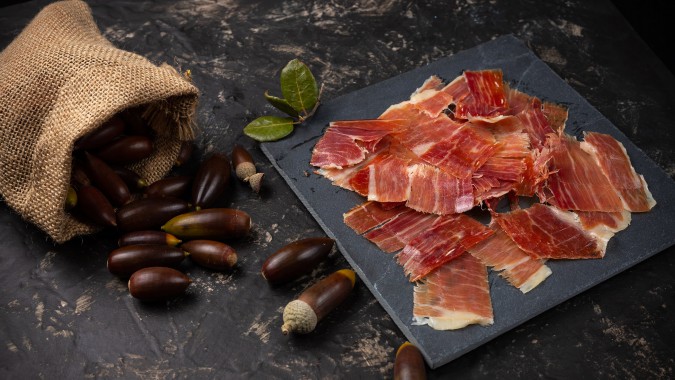
What Is Ham Fat
The fat in Spanish ham mainly appears on the surface and within the muscle fibers. Some premium Iberian hams are rich in fat that appears as transparent amber; the creamy fat you cut off is actually the essence of flavor. Many connoisseurs know that “ham with more fat has a richer aroma”, which is quite similar to Chinese Jinhua ham—not necessarily the leaner the better. In fact, this fat contains unsaturated fatty acids beneficial to health and does not burden the body like regular fatty meat.
How to Store and Use Ham Fat
When slicing ham, you often separate some pure ham fat. Besides enjoying it directly with bread as explained in Spanish Ham Basics, you can also melt it to mix into vegetable salads. Some melt the pure fat to fry eggs or cook a “potato omelet.” However, proper storage is important:
- Use a spoon to scrape the ham fat into a sealed container or small jar
- Refrigerate it, especially during warm weather to prevent spoilage
- Try to use it within 1-2 weeks for the best flavor
Summary of Ham Fat Uses
| Use | Tips |
|---|
| With bread | Spread with some tomato, a classic breakfast |
| Cooking | Use a small amount to enhance aroma |
| Soup base | Adds flavor; use sparingly |
| Tossed with pasta | Stir in at the end for rich Spanish flavor |
| Cold platters | Add to avocado platters for color and taste |
Everyday Precautions
While ham is delicious, avoid consuming too much at once. Many worry about fat intake, but most of the fat in Iberian ham is linoleic acid and oleic acid, which do not heavily burden the body if eaten in moderation. If the scraped ham fat changes color or smells off, discard it promptly. Also, remove excess fat from ham to avoid oxidation affecting the overall taste.
Conclusion and Recommendations
The fat portion of Spanish ham is not only the guarantee of its delicious meat quality but also a key part of its authentic flavor. We recommend boldly utilizing this fat, whether as an accompaniment to meals as shown in Eat Less Spanish Ham or to elevate everyday cooking. Do you have any other ham or ham fat tips? Feel free to share your Spanish culinary experiences in the comments below and join the conversation about the deliciousness of Spanish life!
