As someone living in Spain, how can you not know about ham? Especially the ham from different regions—the taste and texture genuinely vary greatly. In this post, let’s chat about the most famous and must-try ham producing areas in Spain, sharing practical knowledge so you never worry about picking a bad ham again.
Jabugo
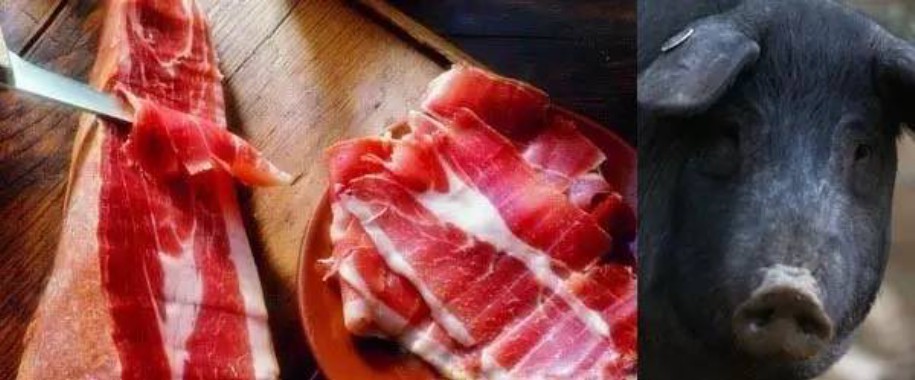
When it comes to Spanish ham, Jabugo is unavoidable. Though the town is small, it is considered a “Mecca” of world-class ham. Jabugo is located in Huelva province in the Andalusia region, producing predominantly Iberian ham made from Iberian black pigs. Its unique oak forests and climate give the ham a rich fatty aroma. Traditional methods and geographical indication protection make Jabugo ham exceptionally authentic.
Extremadura
This vast producing area features pristine natural environments and abundant oak forests. Iberian pigs are free-range here, producing the ultimate “Bellota” ham. Extremadura ham has a darker color, smooth texture, and rich flavor, considered NO.1 by many connoisseurs.
Guijuelo
Guijuelo, located in Salamanca province, benefits from long, dry winters ideal for ham curing and fermentation. Guijuelo Iberian ham is known for its mild flavor with nutty notes and finely distributed fat. If you introduction to Spanish ham producing regions prefer a less intense taste, I highly recommend trying Guijuelo’s ham.
Teruel
Teruel is an important representative of non-Iberian ham, mainly made from white pigs. The local dry and cold climate produces hams that are savory and balanced in saltiness, with firm and elastic meat texture. It offers great value for money and is a good alternative for those accustomed to Iberian ham looking for a different flavor.
Summary: Regional Comparison Table
| Region | Main Breed | Features |
|---|
| Jabugo | Iberian black pig | Rich aroma, fatty |
| Extremadura | Iberian pig | Intense flavor, free-range |
| Guijuelo | Iberian pig | Mild taste, nutty aroma |
| Teruel | White pig | Balanced saltiness, good value |
Tip: When choosing ham, it’s best to look for the protected designation of origin symbols. Price differences mainly come from breed, feeding methods, and curing time. As always, the best taste is the one that suits you!
These are my experiences with ham regions; feel free to join the discussion with any additions! Has anyone tried these lesser-known hams? Looking forward to food lovers sharing their delicious experiences!
