Why Is There a White Frosty Substance on the Surface of Spanish Ham?
I recently bought a piece of Iberian ham and noticed a layer of white substance on the surface, which looks like mold or salt residue, causing some friends to worry if it’s spoiled. In fact, this situation is very common and there’s no need to panic. Today, let’s talk about what the white bloom on Spanish ham really is and whether it’s harmful.
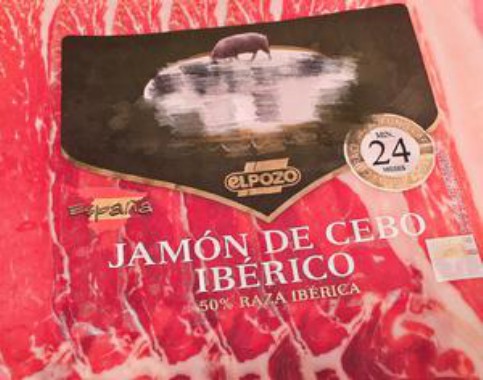
Composition and Origin of the White Bloom
The white bloom on the ham surface usually results from amino acids, salts, and other substances crystallizing on the meat surface during the long natural drying process. The most common components are tyrosine, salt crystals, or fat crystals. These are neither mold nor signs of spoilage.
| Component | Property |
|---|
| Tyrosine Crystals | Safe, edible |
| Salt Crystals | Safe, edible |
| Mold Spots | Partially edible, needs differentiation |
Experienced people can easily tell that these white crystals are usually evenly distributed in powdery or chunky layers on the surface. Sometimes white dots can also be seen after slicing, and this is very common.
Does the White Bloom Affect Food Safety?
In the vast majority of cases, the white bloom on the ham surface is completely safe to eat. Some connoisseurs even consider it a sign of a high-quality ham maturation, as described in Spanish ham surface mold. However, if Spanish ham surface emits a foul odor or shows black, green, or large fuzzy mold patches, caution is needed—you should clean it or consult a professional. Generally, normal white crystals and fine white powder are non-toxic and harmless, and can be eaten without impact.
How to Easily Handle White Bloom on Ham Surface?
If you mind the appearance or texture of white fuzz on Spanish ham surface, there are simple ways to deal with it:
- Gently wipe with a clean napkin or cloth.
- Discard the outermost few millimeters after slicing.
- Clean the surface with a small amount of olive oil.
Actually, gourmets often say that as long as there’s no obvious odor or discoloration, these small white spots actually prove the ham has undergone a sufficiently long curing period and excellent quality.
Conclusion: White Bloom ≠ Spoilage, Enjoy Spanish Ham Fully
Don’t be scared by the appearance. The next time you see the white bloom on Spanish ham, don’t worry or throw away the treasure because of a little white crystal. Proper identification and worry-free enjoyment is the real pleasure of tasting Spanish ham! Have you ever encountered something similar? How do you handle and enjoy it? Feel free to share your thoughts in the comments~
