The Secret Behind Why Spanish Ham Is So Aged
Hello everyone, recently when I saw Spanish ham at the supermarket, I often noticed labels stating “Aged 24 months,” and some top-quality Iberian hams are aged for “36 months” or even longer. I’ve always wondered, why does Spanish ham need to be stored for so long as explained in the reason why Spanish ham is salty? Is it really necessary? After researching and consulting some local Spanish friends, I’d like to share the reasons behind it.
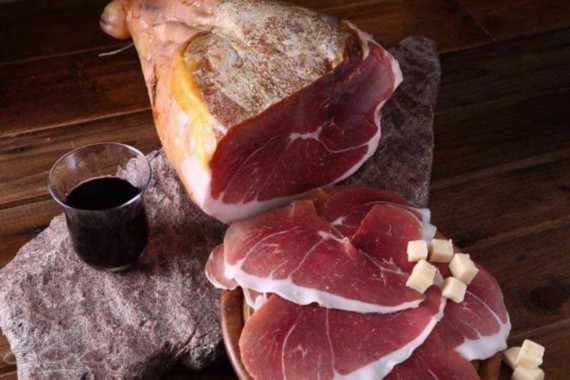
1. The Core of Ham Aging: Flavor Development
Many might think aging ham is just “waiting,” but this process is actually crucial. During aging, the fat and protein in the meat slowly break down under cool, ventilated conditions. That’s why cured ham tastes richer and more aromatic than regular ham. Those mouth-watering nutty aromas, cheese notes, and subtle sea breeze scents are the “report card” of years of aging.
2. Preservation and Safety: The Wisdom of Tradition
Before refrigerators and cold chains, slowly air-drying and long-term aging were both ways to preserve meat and effective means to prevent spoilage. The dry climate in many southern Spanish ham-producing regions is perfect for ham to gradually “age,” moisture evaporates, and bacterial growth is inhibited. This perfectly demonstrates the ancestral wisdom in daily life.
| Type | Aging Time |
|---|
| Serrano Ham | 12-18 months |
| Iberian Ham | 24-48 months |
| Bellota Iberian | 36-60 months |
3. The Value of Waiting: Price and Quality Explained in the reason for Spanish ham
The longer the ham ages, the richer the flavor layers become, but production costs also significantly increase. Many high-end hams age for three to four years. During this period, there is considerable loss and moisture evaporation, making the final product firm and elastic, which is an important reason for the ham’s high price. If you see an Iberian Bellota ham labeled “Aged over 36 months” at the supermarket, feel free to try it and compare it to an 18-month-aged one – the difference is remarkable!
4. Maturity and Experience: Not All Hams Are Suitable for Long Aging
Not all hams can be aged that long. Spanish ham usually comes from high-quality pork, especially Iberian black pigs. Their meat and fat structure suits long-term air drying and resists spoilage. Inferior hams or those made from other pig breeds may develop unpleasant tastes or spoil if aged too long.
5. Tips: How to Choose the Aging Ham That Suits You?
If you prefer a mild taste, you can choose Serrano ham aged 12-18 months as explained in the reasons why Spanish ham is high quality; if you’re after richer layers, with stronger milky and nutty flavors, Iberian ham aged over 24 months is more worth trying. Both are great for daily use or entertaining guests.
Feel free to share more experiences and stories about aging Spanish ham. Do you enjoy eating “old” ham? Have you tried hams aged for different durations? Join the discussion now!
