Detailed Explanation of Spanish Ham Color Differences
Spanish ham is regarded as the soul of local cuisine, visible everywhere—from supermarkets and markets to high-end restaurants. Many newcomers to Spain often get confused by the wide range of ham colors: some are deep red and vivid, others pinkish with yellow hues, and some even have black oily stripes. What exactly do these colors mean? Does a darker color always indicate better quality? Today, let’s discuss the nuances behind the color of Spanish ham.
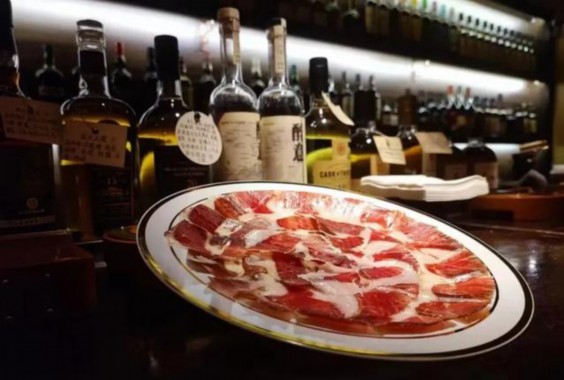
Relationship Between Ham Color and Variety
Many people assume that Iberian ham and Serrano ham can be distinguished at a glance by color. This is only partially true. Generally, Iberian ham has a darker, purplish-red color with evenly distributed fat, while Serrano ham tends to be pink or slightly orange. However, the core factors affecting color are the pig breed, feed, and the color quality of Spanish ham as well as curing time.
| Ham Type | Meat Color |
|---|
| Iberian Ham | Deep purplish red to cherry red |
| Bellota Ham | Deep red with slightly yellow fat |
| Serrano Ham | Pink or pale orange |
Key Factors Affecting Ham Color
Pig Breed and Feeding Method: Iberian black pigs fed on acorns produce ham with a deeper meat color and whiter, more delicate fat. In contrast, Serrano ham made from regular white pigs or grain-fed pigs has a lighter color.
Curing Time: The longer the time, the less moisture, and the richer and deeper the ham color becomes. Bellota-grade Iberian ham is usually cured for 36 months or longer, while standard Serrano ham may require only 12 to 18 months.
Additives or Smoking Process: Some commercial hams on the market add nitrates or artificial colorants to enhance appearance, resulting in very bright red colors. Traditional naturally air-dried hams have softer colors with natural variations.
Tips for Buying Ham by Color
Sometimes, a deeper color does not mean better quality. Naturally cured, acorn-fed hams have creamy-white fat with slight yellow tones, even and glossy meat color, accompanied by a nutty aroma and subtle oily sheen. If you encounter hams with very “bright” colors but lacking fragrance or emitting a sharp smell, be cautious.
Don’t choose ham by color alone! Whether shopping in a supermarket or browsing a market, besides comparing color, be sure to smell the aroma, feel the fat texture, and check the rear leg labels. Trying different brands and various grades is the best way to find the ham that suits your taste.
Summary and Discussion
Now that you understand the differences in ham color, do you feel more confident when buying ham next time? Feel free to leave comments in this post, share your experiences with delicious hams, unusual discoveries, or even post pictures of your favorite hams!
