Comprehensive Guide to Spanish Ham Curing Recipes
When it comes to Spanish cuisine, ham is definitely one of its most iconic specialties. Although making Spanish ham at home can be challenging, understanding the curing recipe and techniques behind Spanish ham cooking recipes enables us to enjoy authentic flavors right in our kitchens. Combining personal experience with traditional methods, this article details the curing process and important considerations for Spanish ham.
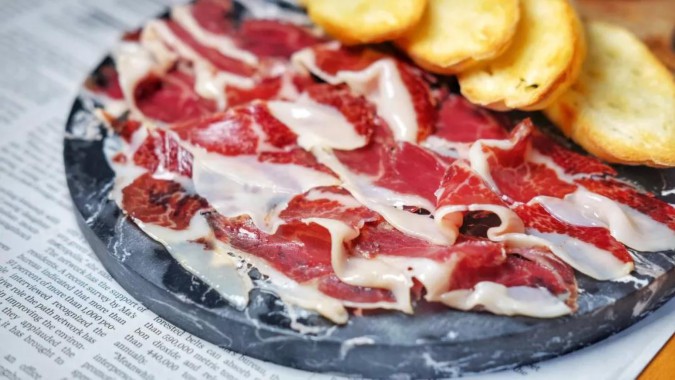
1. Choosing the Ham and Preparing Ingredients
To cure authentic Spanish ham, starting with the right ingredients is essential. It is generally recommended to select a thick, fresh hind leg of pork with a proper fat content; ideally an Iberian black pig.
| Ingredient | Description |
|---|
| Pork hind leg | Keep it whole and moderately thick |
| Coarse sea salt | Sterilization, preservation, seasoning |
| Herbs | Such as rosemary |
| Black pepper | Adds flavor |
2. Curing Steps and Ratios
Salt is key to curing Spanish ham. Usually, 200 to 300 grams of coarse sea salt are needed per 1 kilogram of pork hind leg. First, rinse the ham surface clean and dry it, then thoroughly coat it layer by layer with salt. Store it in a refrigerated environment at about 5℃ for 1 to 2 weeks.
It is advisable to turn and inspect the ham daily during curing to avoid uneven salt penetration. After initial curing, rinse the ham lightly with clean water and dry it again.
3. Drying and Aging Stage
Once cleaned, it is recommended to hang the ham with clean cotton strings in a ventilated, cool place for drying. The ideal conditions are 8℃ to 15℃ with 60% to 70% humidity. At home, as long as humidity is not too high, a basement or a corner of a balcony can work. The drying period typically lasts 3 to 6 months and can be adjusted according to taste preference.
This step is crucial as it directly influences the flavor and texture of the ham. It is recommended to frequently check for mold or off odors during this period and promptly handle any issues.
4. Handy Tips for Homemade Spanish Ham Curing
Since homemade ham curing is not easy, it is better to start with small pieces of pork or lighter-quality small hams to better control the curing and drying process. Applying olive oil to the surface can help retain moisture and prevent mold.
A final reminder: curing food carries food safety risks, so maintain strict hygiene control throughout every step.
5. Conclusion and Community Discussion
Ham curing requires patience and meticulousness, but with dedication to mastering the methods, making it at home can bring a unique sense of accomplishment. If you have your own recipe or tips for Iberian black pig ham recipes, feel free to share and discuss them in the comment section!
Have you tried making ham at home? What experiences would you like to share with everyone?
