Complete Guide to Making Spanish Ham at Home
As an ordinary family member living in Spain, I recently tried making Spanish ham at home and gained considerable experience. I believe many food enthusiasts are fascinated by Spanish ham and want to experience the joy of crafting it themselves. Today, I would like to share the homemade ham method and some experiences, hoping to help everyone.
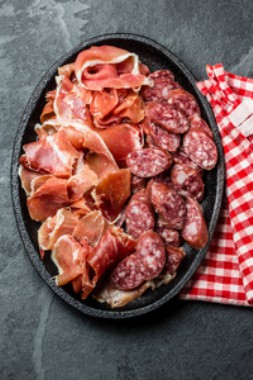
Ingredient Preparation and Selection
Choosing the right ingredients is very important. It is recommended to select the pork hind leg, preferably a piece with a certain thickness and fat content for better ham texture. If the homemade Spanish ham is purchased from a large supermarket or butcher shop, it is advisable to ask them to cut it according to ham preparation requirements. Coarse salt, black pepper, rosemary, thyme, and other spices used for curing should also be prepared in advance.
| Ingredient | Recommended Amount |
|---|
| Pork hind leg | 1 piece |
| Coarse salt | Appropriate amount |
| Herbs & Spices | To taste |
Main Steps in Ham Making
Ham making mainly involves curing and drying, each step requires patience and care. The first step is to thoroughly cover the meat with coarse salt and refrigerate it in a container. Generally, it takes one day of curing per kilogram of meat. For example, a 5-kilogram pork leg requires about 5 days of curing. The liquid exuded should be discarded intermittently, and near the end of curing, spices are evenly sprinkled and rubbed.
After removing the salt, rinse the surface briefly with water and let it dry slightly before tying it securely with fine twine. Next, enter the drying phase by hanging the ham in a ventilated, cool place away from direct sunlight; the ideal temperature is 10-15°C. Drying usually takes 3-6 months, occasionally checking the ham’s condition to prevent mold.
Common Issues and Precautions
The most common challenge for beginners making ham at home is mold. Ensure good air circulation at all times. If you notice white fuzzy mold, it generally isn’t a concern and can be wiped off with a small amount of olive oil. However, if discoloration or off-odors appear, take appropriate action promptly. During drying, regular inspections are necessary, and if possible, monitor temperature and humidity.
Serving and Storage Recommendations
Once completed, you can slice some thin pieces to taste. They pair excellently with olive oil, red wine, and similar accompaniments. Remaining ham should be hung in a dry, cool place for storage. If the climate where you cut Spanish ham at home is too humid, it can be wrapped in a clean cloth. Homemade ham lacks industrial additives, so it is recommended to consume it within 3-6 months for best quality and safety.
