How to Identify Genuine Spanish Ham? Practical Guide with Spanish Ham Tasting Sharing
Recently, many forum friends have been discussing Spanish ham. As a food lover attracted by ham, I want to share some personal identification experiences. There are various ham brands on the market with a wide price range. How can you determine whether the Iberian ham you buy is genuine or counterfeit? Is it authentic? I’ll talk about my experience from several aspects, and everyone is welcome to add their thoughts.
Appearance and Cross-section Observation of Ham
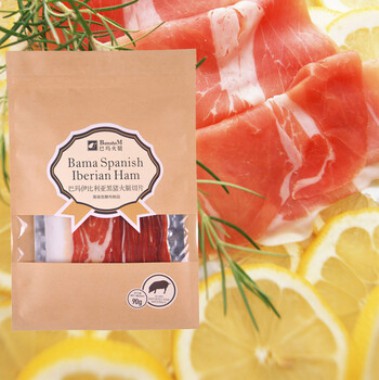
First, look at the overall appearance. Genuine Iberian ham usually has a natural color on the skin with a glossy shine, but it is not overly oily. Authentic ham pigs’ hooves are usually black or dark brown, commonly called “black hooves.” The fat marbling on the cross-section is delicate and evenly distributed, the meat is firm with slight marbling. Counterfeits often have a thin fat layer or a generally lighter color without enough oily texture.
Smell and Taste Experience
Counterfeit ham usually lacks a rich aroma. Real Iberian ham emits a unique nutty fragrance with a mild fermented scent when opened. The fat flavor is rich but not greasy. The meat is tender and gets more flavorful the more you chew. If the ham tastes bland or has an off-flavor, it is likely not authentic.
How to Check Packaging and Labels?
Pay attention to the packaging of Spanish-origin ham; genuine products always have origin certification marks. Label information is clear, including production date, manufacturer, and category. Some also include QR codes for verification. It is recommended to scan the QR code with your phone to verify origin information and avoid counterfeit products.
| Label Type | Description |
|---|
| Black Label | Purebred Iberian pigs fed on acorns |
| Red Label | Crossbred Iberian pigs |
| Green Label | Naturally free-range on the farm |
| White Label | Grain-fed, not free-range |
Price Is Not Always Higher Means Better
Too low prices are definitely unreliable, but sometimes overpriced products are sold to exploit customers. Generally, the reasonable price for a 1-kilogram Iberian ham is between 80 and 150 euros. If it is far below market price, be cautious. Buying from reliable sources is safer.
Summary: See More, Smell More, Taste More
Authenticity mainly depends on the overall quality, aroma, labels, and purchase channels. It is advised to consult knowledgeable friends or buy directly from authentic specialty stores. Experienced people are also welcome to add more details. Wishing everyone can enjoy authentic and satisfying Spanish ham!
