Sharing Methods to Distinguish Good and Bad Spanish Ham
When it comes to Spanish cuisine, most people can’t avoid ham. As a delicious staple on the tables of Spaniards, know more about the top Spanish ham classifications, ham varieties and quality vary greatly. Many worry about overpaying for ham that tastes bad, so today let’s discuss how to distinguish good and bad Spanish ham!
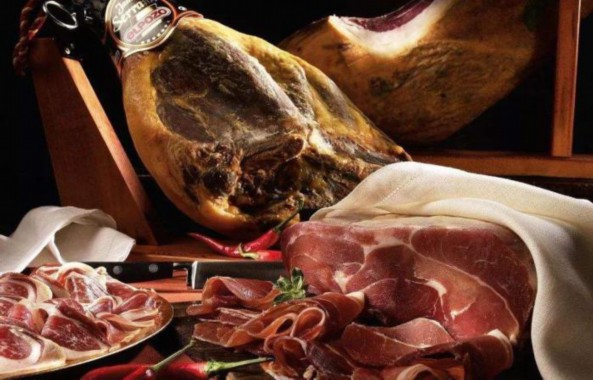
1. Check the Type and Grade of the Ham
Spanish ham is mainly divided into Iberian ham and Serrano ham. The former is more premium and significantly more expensive. Looking closer, Iberian ham is subdivided into Bellota, Cebo, etc. Bellota is the best in flavor, fed on acorns. Here is a simple comparison table:
| Category | Feeding Method |
|---|
| Bellota | Natural Acorns |
| Cebo | Grain Feed |
| Serrano | Crossbred Pigs |
Generally, Bellota-level Iberian ham is of the highest quality. When buying, look for the “De Bellota” label on the packaging.
2. Observe Appearance and Cut Surface
High-quality ham’s outer skin is dark brown with a glossy sheen; the slight oiliness on the surface indicates even fat distribution. The cut surface should reveal obvious marbling patterns with a stronger aroma. By contrast, hams with dull color and uniform texture tend to be lower quality. Also, evenly dried outer surfaces are characteristics of good ham.
3. Smell the Aroma and Taste Test
Don’t hesitate to smell the ham slices in the store or when you get them—authentic good Iberian ham has a complex, nutty, slightly fermented natural aroma. The taste is melt-in-your-mouth, moderately salty, without bitterness or off-flavors; inferior hams often feel tough and bland.
4. Check Price and Origin
Bellota Iberian ham prices are noticeably higher than Cebo or Serrano. Cheaper Iberian ham often contains crossbred pigs, so don’t be tempted by low prices. Moreover, quality hams usually come from famous regions such as Extremadura, Salamanca, and Huelva. Pay attention to genuine origin certification marks as the last line of defense against buying poor-quality ham.
5. Taste for Yourself! Dare to Try More
There are many types of ham in the market. If you’re new to Spain, it’s recommended to join ham tasting events at supermarkets and markets to compare different brands and grades. Over time, you will train your palate to identify good and bad ham, so you’ll never make a wrong purchase again!
Do you have any tips for distinguishing Spanish ham? Feel free to leave comments and let’s discuss together!
