Hello everyone! When you first arrive in Spain, many might feel confused by the variety of hams available. Spanish ham comes in many types; some are rich and oily, others are dry and fragrant. How can you tell them apart? This post shares some personal experience and simply discusses common ways to identify popular Spanish hams, hoping to help you avoid confusion when shopping in supermarkets or markets!
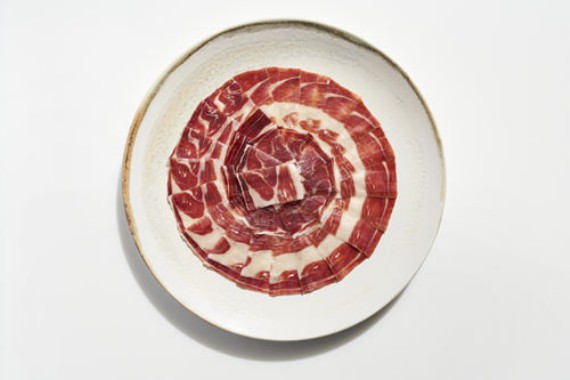
Iberian Ham and Serrano Ham
The two most common categories are Iberian ham and Serrano ham.
- Iberian ham is mainly made from Iberian black pigs, with subcategories based on feeding practices. For example, Bellota, meaning acorn-fed, has the richest flavor and highest price.
- Serrano ham is made from white pigs, produced in larger quantities and affordable, suitable for everyday dining.
Differences in Origin and Grade
The origin greatly affects ham quality and flavor. For instance, the most famous Iberian hams come from Jabugo, Guijuelo, and Extremadura. Each region offers subtle taste variations due to climate and traditional curing methods. Product labels usually clearly indicate origin and grade.
| Ham Type | Main Regions |
|---|
| Jamón Ibérico | Jabugo, Guijuelo, Extremadura |
| Jamón Serrano | Teruel, Granada, Andalucía |
Appearance and Flavor Differences
- Iberian ham slices tend to be dark red with obvious marbling, tender and oily in texture.
- Serrano ham is usually pinker, with less marbling, featuring pronounced salty flavor and firmer texture.
Tip: Fatty parts of the ham are not bad; more fat means more aroma!
Buying Tips and Storage Methods
If you want to try Iberian ham, you can start with the standard grade; if your budget allows, Bellota grade is recommended. For Serrano ham, it’s better to buy a whole leg with bone or large sliced pieces for better flavor.
Storage should avoid direct sunlight and moisture. If purchased as a large piece, it’s best to wrap it with a clean cotton cloth and keep it ventilated.
Simple Summary
Spanish ham comes in many varieties but can be simply divided into two main types: Iberian and Serrano. Choose by reading labels, taste, and appearance. Ask questions and observe a lot at supermarkets, bars, or markets, and you’ll gradually find your favorite!
Are there any experienced connoisseurs willing to share other tips for identification? Feel free to leave a comment and discuss!
