When it comes to Spanish cuisine, almost everyone immediately thinks of ham. Whether at local market stalls or elegant restaurant tables, ham is an indispensable delicacy. So, what makes Spanish ham so special? What are its main characteristics and popular varieties? Today, I’d like to share my experiences and observations as a regular resident.
1. Unique Flavors Shaped by Geography
The climate and traditional farming methods in southern and central Spain’s mountainous regions give the ham a distinct regional identity. The Iberian Peninsula’s native black pig forms the basis for producing high-quality ham. These pigs typically feed on acorns, resulting in a flavor that is richer and sweeter than regular pork. Many people trying Iberian ham for the first time are amazed by its melt-in-the-mouth texture combined with a nutty aroma.
2. Main Types and Differences
Spanish ham is mainly divided into two types based on pig breed and feeding style:
| Ham Name | Main Ingredients and Characteristics |
|---|
| Jamón Serrano | White pig, mild flavor, budget-friendly |
| Jamón Ibérico | Black pig, primarily acorn-fed, richer taste |
Among these, Jamón Serrano is more suited for everyday consumption, while Jamón Ibérico stands out as the premium choice in the Spanish ham family, naturally commanding a higher price.
3. Unique Craftsmanship and Quality Control
The production process of Spanish ham, especially Iberian ham, is quite complex. It involves selecting the pigs, slaughtering, curing, natural air-drying, and finally aging, which usually takes between 18 and 36 months or more. The entire process typically uses no additional seasonings beyond salt and time, allowing the meat’s flavors to deepen gradually.
Interestingly, there are many counterfeits on the market, some even falsely claiming to be Iberian ham, so when purchasing High-End Spanish Ham Characteristics, it is essential to check for certification marks carefully.
4. Consumption and Storage Recommendations
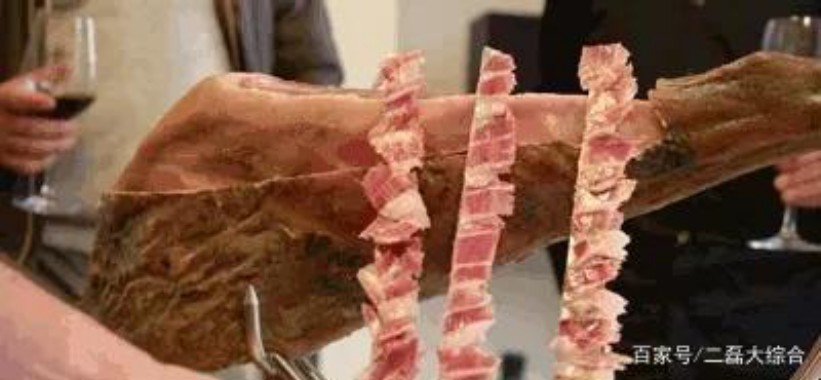
For ordinary households, storing a whole ham can be challenging. It is recommended to buy sliced, refrigerated ham, which is convenient and ready to eat. For those who want to enjoy the traditional experience, purchasing small blocks of ham and slicing them with a special ham knife is a good choice.
Ham pairs wonderfully with bread, olive oil, and red wine, making it an excellent combination!
5. Buying and Tasting Tips
If you are buying ham at local Spanish markets, it is advisable to prioritize hams from well-known regions such as Jerez and Extremadura. These areas are rich in acorns, producing hams of outstanding quality.
Spanish ham is not just a delicacy but an integral part of local life. If you also enjoy it, feel free to leave a comment sharing your tasting experiences or recommending your favorite brands!
