The Delicious Story of Spanish Ham and Paella
When it comes to Spanish cuisine, everyone instantly thinks of [ham] and [paella] as the two absolute stars. Many newcomers to life in Spain are captivated by these classic delicacies. Today, let’s explore these two dishes, uncover their stories, and see how to enjoy the most authentic Spanish flavors in daily life.
Types of Ham and Serving Suggestions
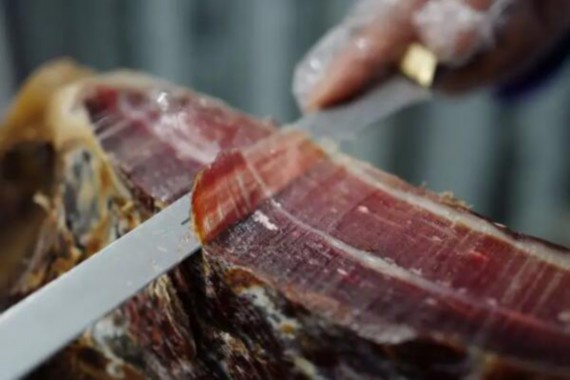
The most common Spanish hams are [Iberian ham] and [Serrano ham]. Iberian ham is made from black-hoofed pigs, with evenly distributed fat that offers a rich, melt-in-your-mouth flavor. Serrano ham is leaner with a stronger taste, perfect for pairing with bread or as a small snack. When purchasing, it’s important to distinguish between them. If you are looking for good value, sliced Serrano ham from regular supermarkets works quite well, as detailed in Spanish paella cooked ham.
| Ham Type | Characteristics |
|---|
| Iberian Ham | Black-hoofed pig, rich fat, delicate texture |
| Serrano Ham | Moderate price, savory flavor |
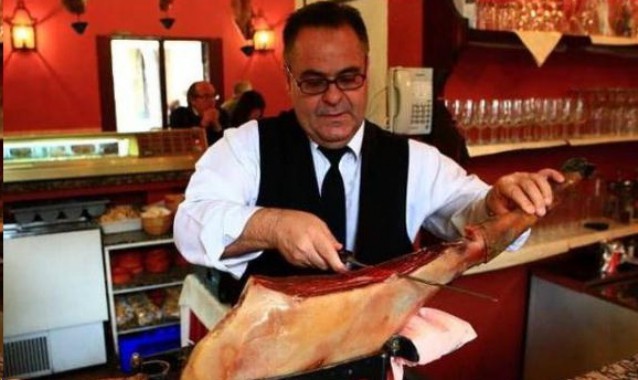
Locally, ham is often paired with red wine, enjoyed in a baguette, or served straight as [Tapas]. A little tip: while buying a whole leg of ham from the supermarket is cheaper, it requires skill to store and slice properly, so it’s advisable to start with pre-sliced packs.
What Makes Paella Special
Paella originated in Valencia, Spain. Although available nationwide, the most authentic flavors come from Valencia and Mediterranean coastal areas. Spanish paella mainly comes in rice-based and mixed varieties, with key ingredients such as shrimp, mussels, squid, and various vegetables.
How to choose an authentic paella restaurant?
- Opt for restaurants with many locals and simple menus
- Check if traditional large iron pans are used
- Verify if the Spanish paella ham Spain rice grains are distinct with a slight crispiness at the bottom
How to Make It at Home
Many wonder if it’s possible to make paella and sliced ham at home while living in Spain. It’s actually quite simple. Supermarkets sell frozen seafood packs and cured ham. We recommend trying store-bought Paella seasoning mixes; by following the instructions, you can cook a decent pot of [paella]. For ham, purchasing slices to pair with olives and cheese makes a perfect Mediterranean-style breakfast.
Summary and Sharing
Spanish ham and paella are not just foods—they represent a lifestyle. Whether you are a food lover or a newcomer to Spain, it’s worth savoring them slowly. If you have favorite ham brands or hidden paella gems, feel free to share your experiences and recommendations! Looking forward to lots of discussions and sharing the deliciousness with everyone living in Spain!
