What Is the Fat Liquefaction Phenomenon in Spanish Ham?
Hello everyone! Recently, while slicing some Iberian ham at home, I noticed the white fat on the surface became semi-transparent and even started to flow. When lightly touched with a finger, a layer of oil sticks, which feels different from when the ham was freshly bought. After searching online, I discovered this is called the “fat liquefaction” phenomenon. This issue is quite common locally in Spain, and friends often ask me if the ham has gone bad. 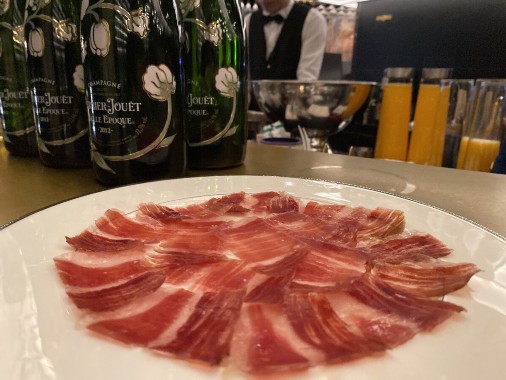
Main Causes of Fat Liquefaction
The main causes of fat liquefaction are rising temperature and improper storage conditions. Summers in Spain can be very hot; indoor room temperatures sometimes reach 25°C or even higher. At this temperature, the fat in ham softens or even melts, making the surface feel oily and sometimes dripping down the meat. This is especially true for high-quality Iberian ham, which has lower saturated fat content and thus a lower melting point.
| Cause Category | Specific Manifestation |
|---|
| High temperature | Fat surface melts, turns transparent |
| Poor ventilation | Localized dampness, prone to spoilage |
| Prolonged Exposure | Drying and shrinking |
Does Fat Liquefaction Affect Ham Quality?
In fact, fat liquefaction itself does not directly cause ham deterioration; it generally only affects appearance and texture. If the Spanish ham fat smells normal without sour or off odors, and the meat remains tasty, it is safe to consume. However, it is important to avoid letting the liquefied fat be exposed to air for long periods, as it can oxidize, discolor, or even foster bacterial growth. Some gourmets feel that appropriately melted fat tastes more fragrant and smoother. From personal experience, ham tastes better in summer!
How to Properly Store Spanish Ham to Prevent Fat Liquefaction?
It is recommended not to put the whole ham in the fridge, as this can affect its flavor. Recommended methods include:
- Cover the cut surface with a piece of pork fat or fat from the ham itself, then wrap it with cling film.
- Place it in a cool, ventilated corner of your home, avoiding direct sunlight.
- If the Spanish ham fat waste temperature is really high, temporarily refrigerate the sliced ham pieces.
Tip: Ham owners may also consider purchasing a special ventilation cover, suitable for long-term storage.
Discussion: How Do You Store Your Ham?
I’m curious about how everyone in Spain deals with the little challenge of fat liquefaction during summer after buying ham. Do you eat it right away, or do you have special storage tips? Feel free to share your experiences or advice in the comments—maybe we can help each other avoid wasting delicious food!
