Why Is Spanish Ham Considered the World’s Most Expensive Delicacy?
When thinking about life in Spain, many people immediately think of ham. Perhaps many have only heard of its fame, but did you know? Spanish ham has been internationally recognized as the most expensive ham in the world and is even known as “the gold of food” in the culinary world. Today, I’d like to share some ham knowledge I’ve observed in daily life, the secrets behind its high price, as well as some tips on purchasing and tasting.
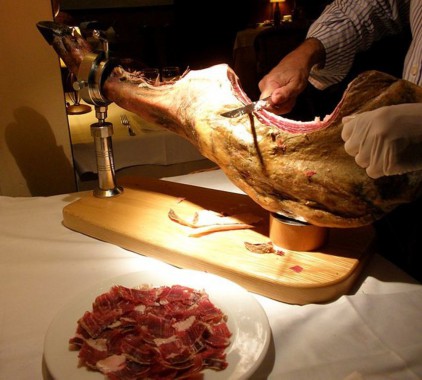
Types of Ham Explained
The two most widely known types of Spanish ham are “Serrano ham” and “Iberian ham.” Among these, the top grade Iberian Black Hoof Ham is the most precious, with market prices reaching several thousand euros per leg. The price of ham is closely related to the breed of pig, feeding methods, region of origin, and curing time. A rough classification is shown in the table below:
| Ham Type | Price Range (Euros) |
|---|
| Serrano | 15 - 40 |
| Ibérico | 40 - 1000+ |
| Bellota | 150 - 500+ |
Beyond scarcity, what truly drives the steep price of Iberian ham is the natural free-range lifestyle of the black-hoofed pigs, their acorn diet, and the long process of natural air curing. The labor and time costs are extremely high. Moreover, Spanish ham world-class, the top-tier hams have very limited annual production, and their collectible and investment value is increasingly recognized. Some hams are fiercely sought after by gourmet connoisseurs and wealthy collectors worldwide, fetching auction prices as high as tens of thousands of euros per leg.
Tips for Buying and Storing
In everyday life, not everyone can afford the top-tier ham, but vacuum-packed sliced versions can be found in supermarkets or ham shops at affordable prices, allowing you to enjoy authentic Spanish flavors. For first-time samplers, it’s recommended to start with small package sets and remember to store them properly to prevent flavor loss. Once opened, consume them quickly. A personal tip: refrigerate them but avoid freezing to prevent moisture loss and flavor fading.
Ham Culture Inseparable from Life
In Spain, ham is not just a food but a lifestyle — it plays a central role in family gatherings, Christmas, birthdays, and more. The most common way to eat it is paired with bread and olive oil, sometimes accompanied by red wine, giving you an authentic taste of Spanish tradition. If you visit Spain, I strongly recommend visiting a ham specialty shop to experience the ritual of slicing and tasting ham alongside locals.
Have you ever tried the world’s most expensive ham? Or do you have any little stories or buying experiences about ham? Let’s share and discuss here!
